☆ Find us again easily

Found a page you like? Save it for later.

🔎 To find us again

Address
thevibelab.net
Search
Vibe Lab Korean

Korean Listening: Hear & Reply

Hear real Korean from shops, restaurants, the subway — and factories, building sites, farms and hospitals — then pick the right reply

What this game trains you to do

Textbook dialogues are slow and clear. A shop clerk, a subway announcement or a team leader on a factory floor is quick, short and gives you no setup. This game collects 108 lines like that from nine places and has you pick the right reply as soon as you hear them. By the end, the goal is to understand straight away what you’re being asked in a convenience store, a restaurant or on the subway, and to follow instructions and notices at a factory, a building site, a farm or a hospital well enough to answer naturally, usually with “네, ~할게요.”

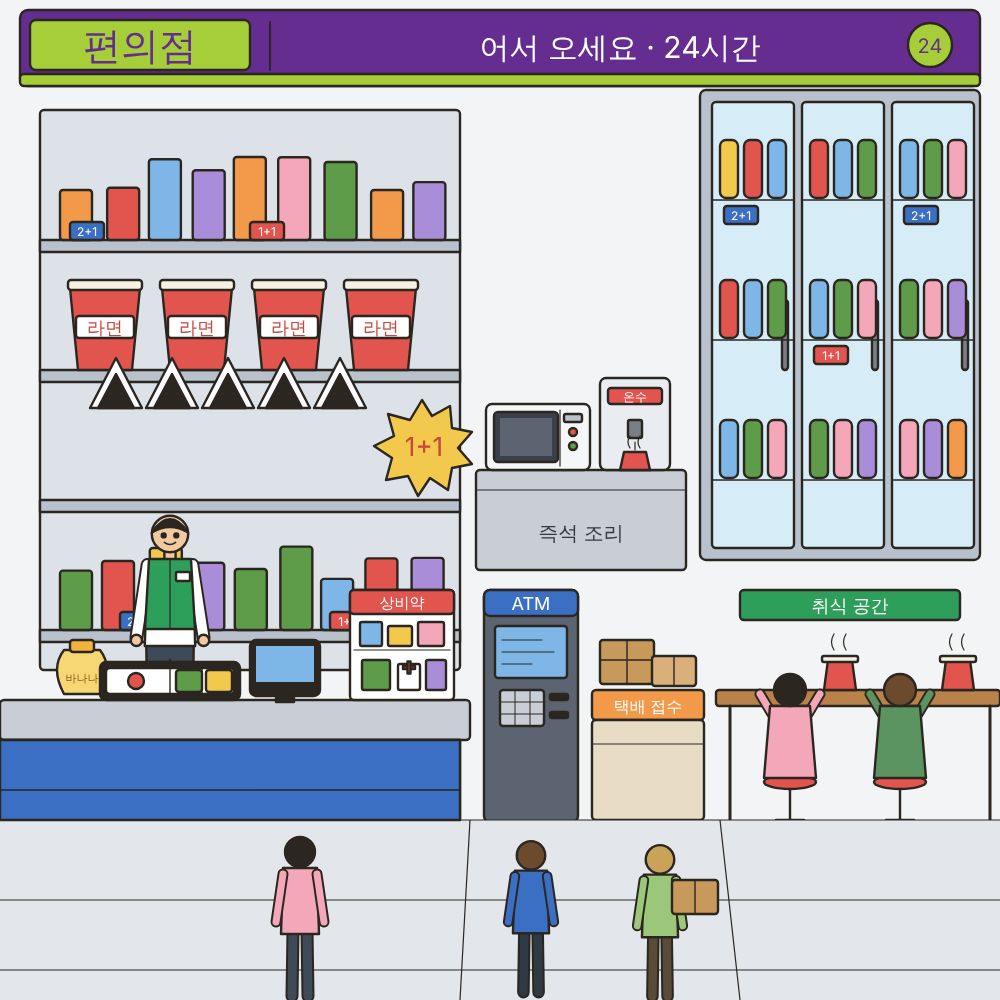
Questions at the counter (convenience store)

Clerks mostly ask yes/no questions: 봉투 필요하세요?, 영수증 드릴까요?, 데워 드릴까요? The ending -(으)세요? is a polite way of asking the customer, and -아/어 드릴까요? means “Shall I do it for you?” Once you can hear those two patterns, the checkout stops being stressful.

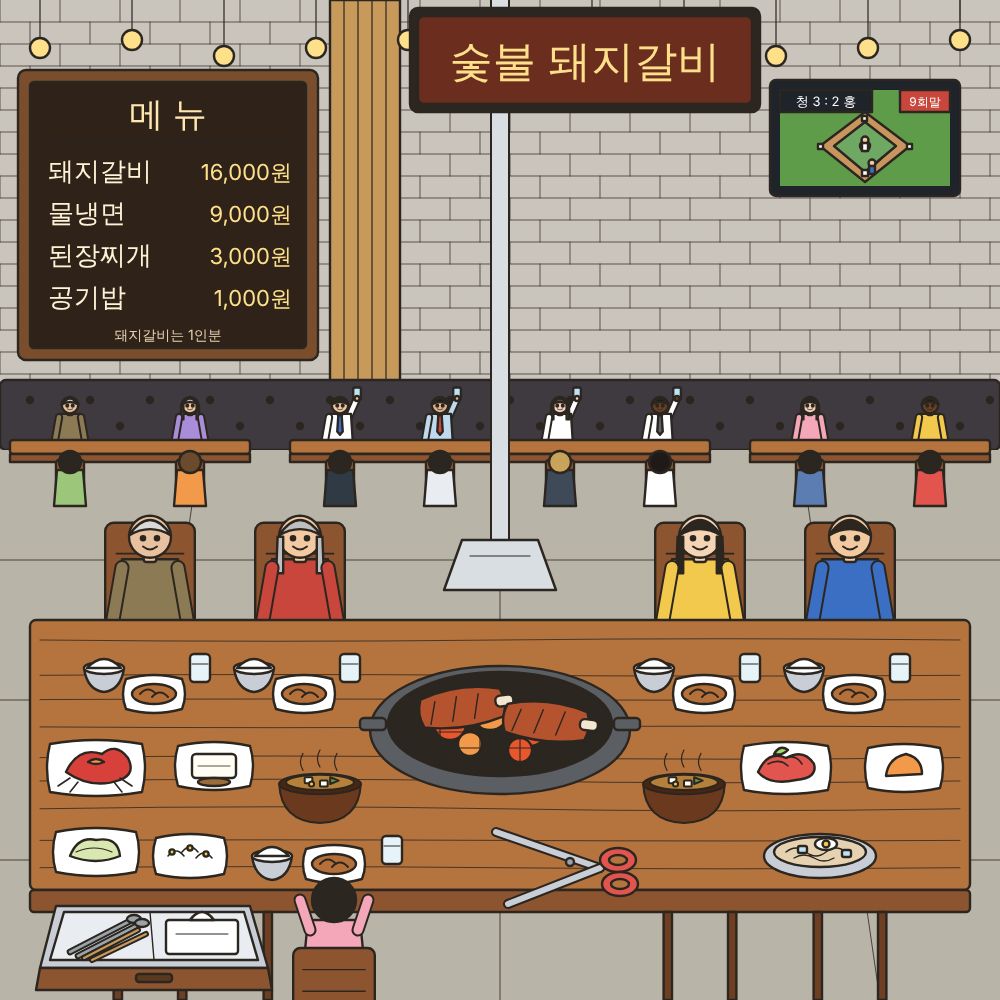
Ordering and answering in restaurants (snack bar, pork belly BBQ)

You hear questions about how many people, how much food and whether you’re eating in: 몇 분이세요?, 몇 인분 드릴까요?, 드시고 가세요, 포장이세요? Short answers are fine here — 두 명이요, 2인분 주세요, 먹고 갈게요. You also catch notices about self-service water and side dishes and where to pay.

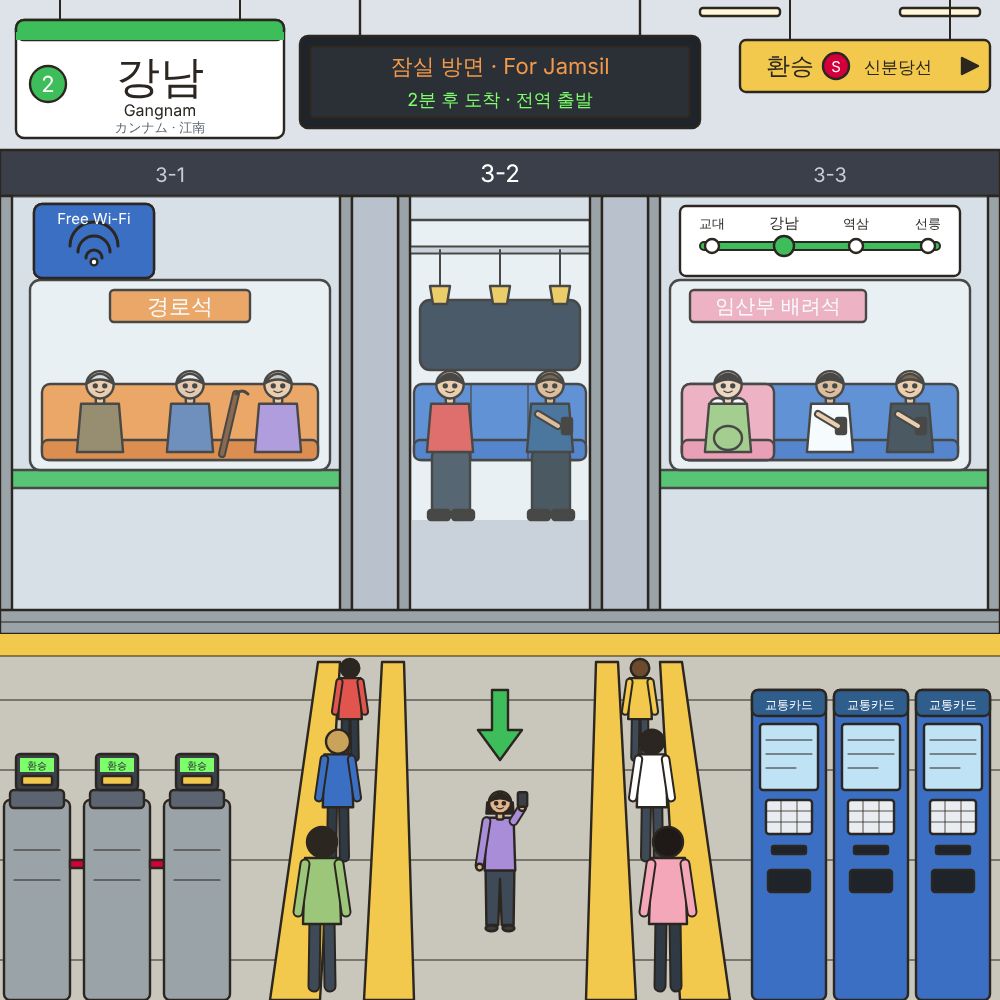
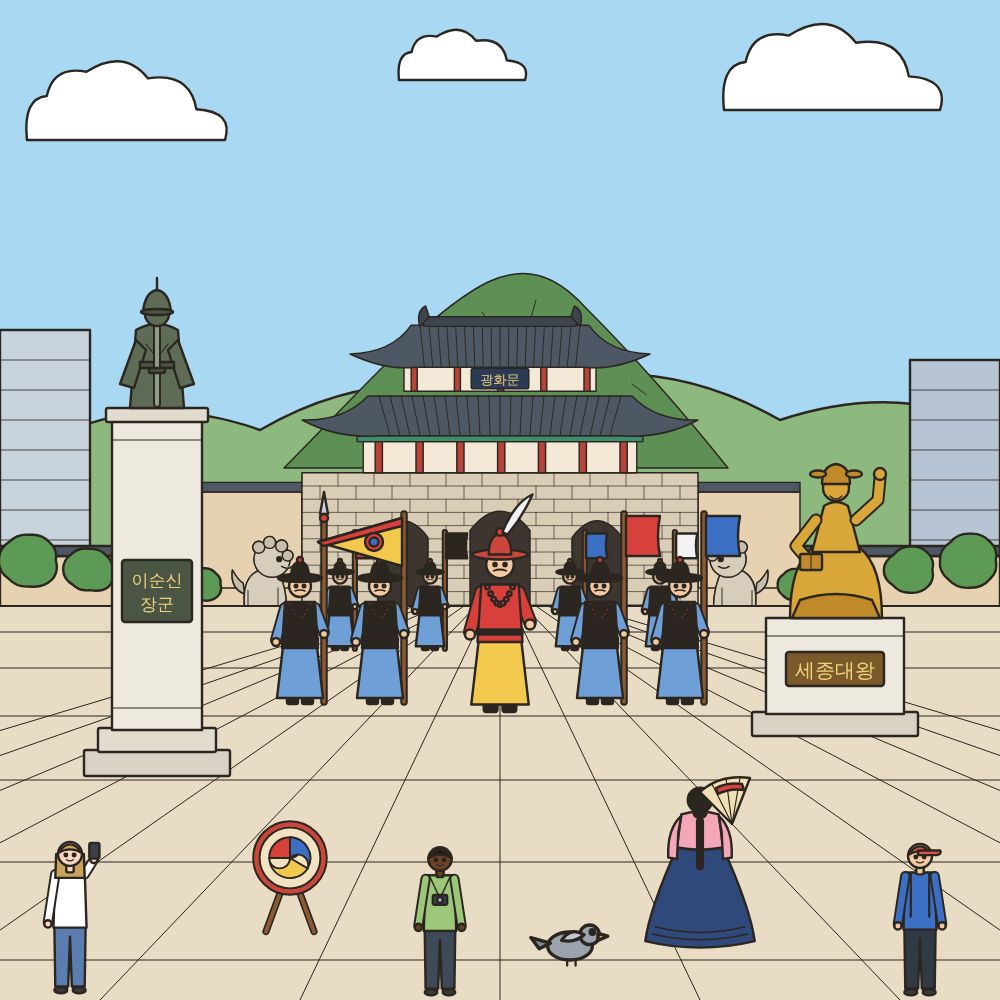
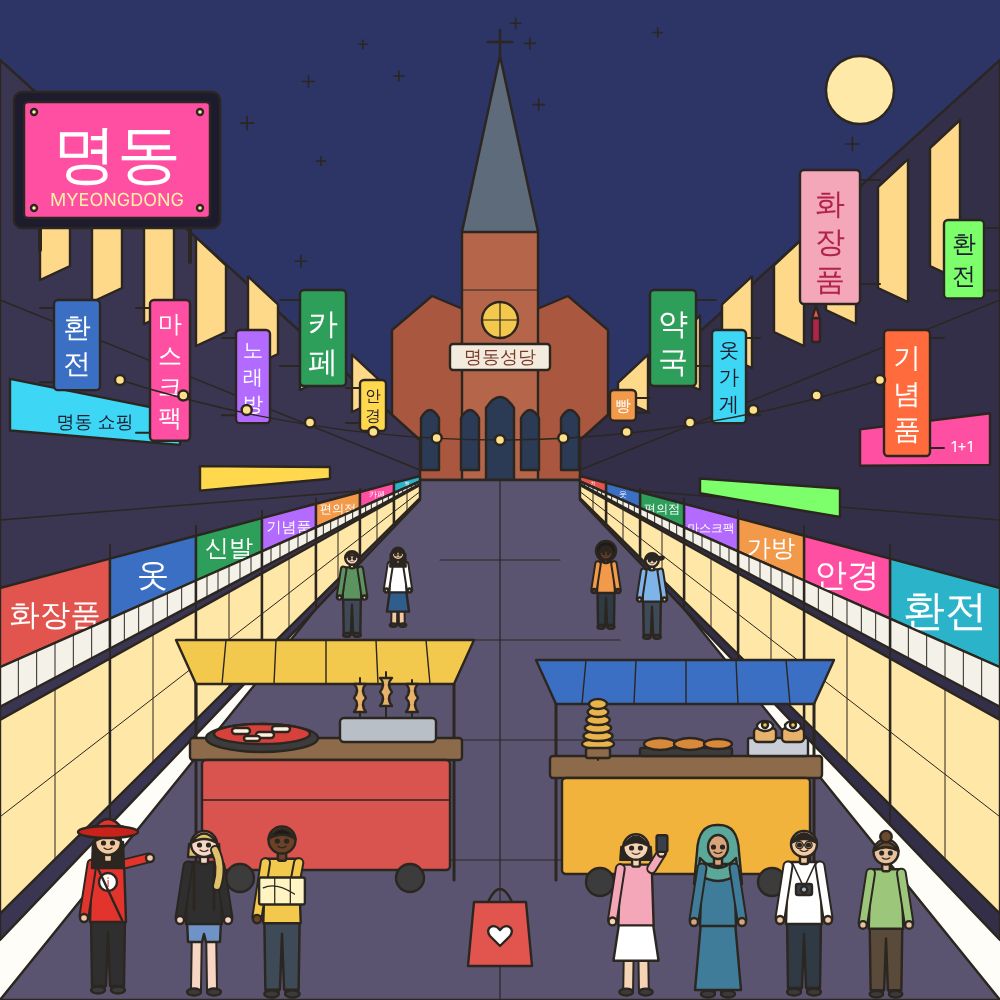
Announcements and directions (subway, Myeongdong)

Subway announcements use a stiff, formal style ending in -ㅂ니다/-습니다 and -시기 바랍니다: 이번 역은 시청역입니다, 내리실 문은 오른쪽입니다. On the street in Myeongdong you need to hear directions and prices exactly — left or right at the intersection, 하나에 삼천 원 or 두 개에 오천 원.

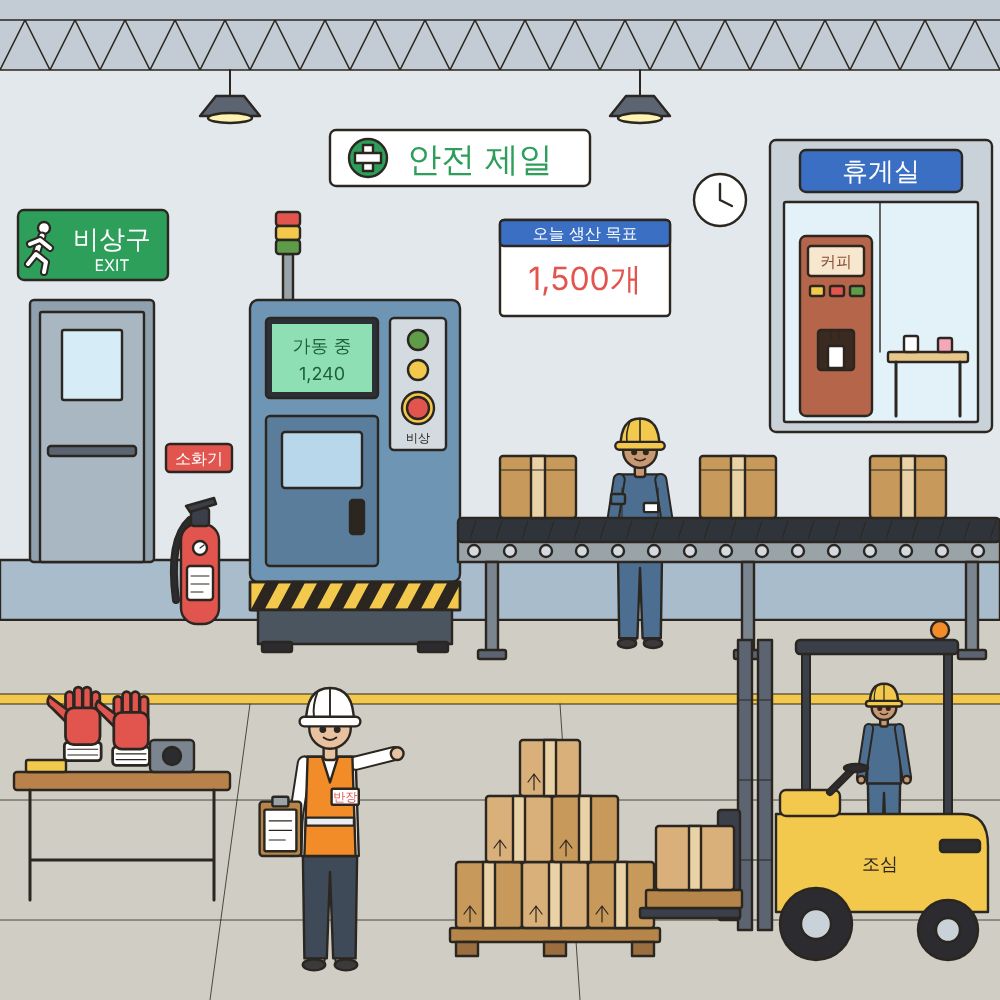
Instructions and safety at work (factory, building site)

Alongside orders like 옮겨 주세요 and 장갑 끼고 해요 you hear a lot of “don’t”: -지 마세요 and -(으)면 안 돼요. Most correct replies take the form 네, ~할게요. The ending -(으)ㄹ게요 is a promise to the listener that you’ll do it, which is why it’s the natural way to answer an instruction.

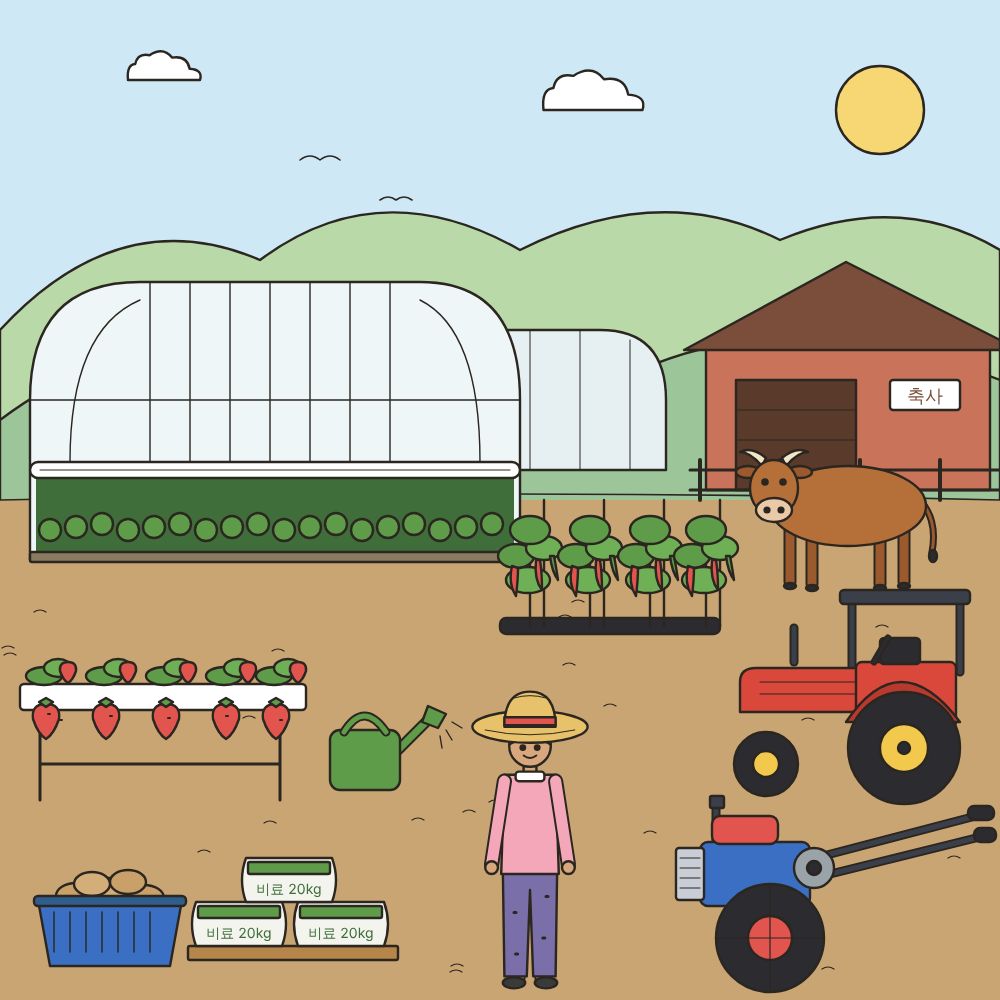
Farm work, hospitals, pharmacies and the job center

Lines with times and amounts have to be heard exactly — feeding at 6 a.m. and 5 p.m., medicine three times a day, 30 minutes after meals. You also meet words like 산재 (work-injury compensation), 처방전 (prescription), 근로계약서 (employment contract), 임금명세서 (payslip) and 노동청 (labor office), which you need to ask about and check your rights while working in Korea.
How to use

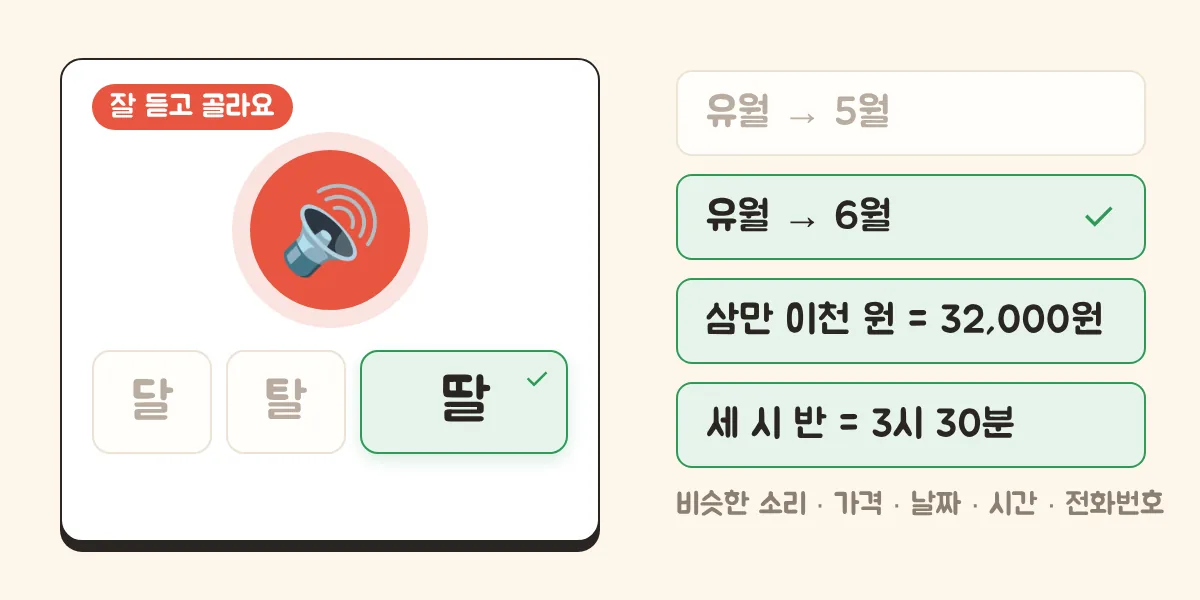
With a picture of the place, you hear what a clerk, an announcement or a passer-by says (for example, a convenience-store clerk asking “봉투 필요하세요?”). Pick the right reply from three; then you see what you heard and the best reply with text, romanization and meaning, and the reply is read aloud.

The text is hidden at first. Tap 🔊 Listen again to hear it once more, slower, and 👀 Show text if it’s still hard. The places go convenience store → snack bar → pork belly BBQ → subway → Myeongdong street, with longer, faster lines like announcements, directions and prices later on.

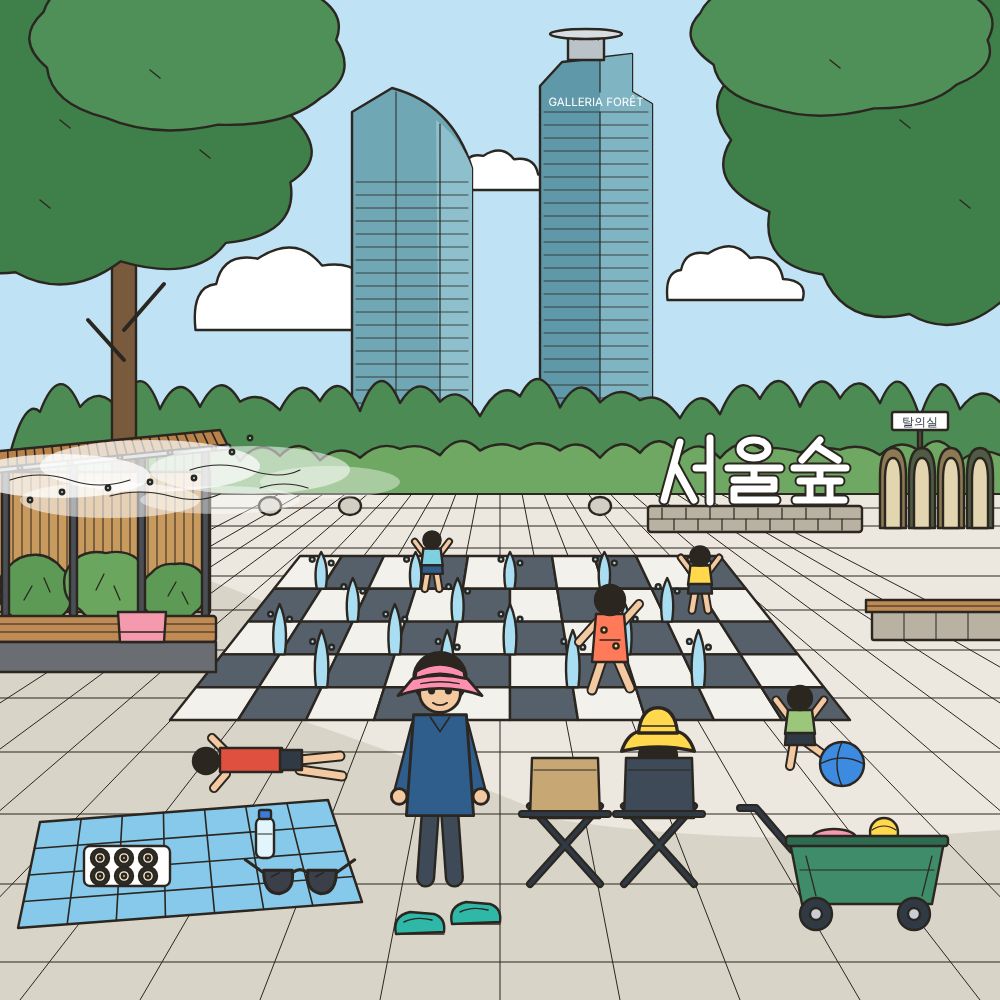
Each place has 6 questions; get 4 or more right to unlock the next one (6 = 3★, 5 = 2★, 4 = 1★). The pictures are the same places as in Korea Hidden Pictures, so learning that place’s words there first makes the lines easier to catch.

Places 6–9 are Korean at work: a factory (the team leader’s instructions, defects, overtime, shifts), a construction site (morning safety meeting, hard hat, falling objects, materials), a farm, greenhouse and barn (picking chili peppers, watering, feed, the dormitory) and a hospital, pharmacy and job center (where it hurts, work-injury claims, how to take medicine, your contract, payday). The factory is open from the start. It’s practice for EPS-TOPIK learners and people working in Korea — not official test questions.

How to get more out of it

Catch the question word first

If you hear 몇, 어디, 얼마, 언제 or 뭐, the reply has to contain that kind of information. 몇 분이세요? needs a number of people and 얼마 충전해 드릴까요? needs an amount, so one of the three choices usually goes straight away.

Watch for sound-alike traps

Many wrong choices reuse a word that sounds like something in the line: 백 원 and 백 명, 공깃밥 and 공기, 통역 and 통장, 쌈 싸서 and 쌀 사러. Hearing one familiar word is not a reason to pick the reply that contains it.

Listen to the very end of the sentence

In Korean, whether you’re being told to do something or not to do it comes last: 기계에 손 넣으면 안 돼요. The wrong replies in the work places often use the same nouns with the meaning flipped, like 장갑 벗고 할게요.

Leave the text for last

The text starts hidden. Tap 🔊 Listen again first; the replay is a little slower. Only show the text if you’re still lost — your ear improves faster that way.

Say the right reply out loud

After you answer, the correct reply is read aloud. Repeat it. When you hear the real line later, the answer comes out faster. Some lines also show a 💡 note about life in Korea (paying for bags, prescriptions and pharmacies, your payslip), which is worth reading.

Replay places you’ve cleared

Each place has 12 lines and a round picks 6 of them at random. Playing a cleared place two or three more times gets you through the rest.

Who it’s for

  • Anyone preparing for the EPS-TOPIK (the Korean test for the Employment Permit System) listening section
  • People working, or about to work, in factories, on building sites or on farms in Korea
  • Visitors who want to know what they’ll hear in shops, restaurants and on the subway before a trip to Seoul
  • Learners who know basic grammar but freeze when they have to answer real spoken Korean

Sample questions

In the game you first hear the line over a picture of the place. These are real questions from the game, written out.

  1. 🔊 You hear: 봉투는 백 원이에요. 필요하세요? (bongtuneun baek wonieyo. piryohaseyo?)

    Choices: 네, 백 명이에요. · 네, 하나 주세요. · 아니요, 도시락이에요.

    ✅ Answer: 네, 하나 주세요. — “A bag is 100 won. Do you need one?” 백 원 (100 won) and 백 명 (100 people) sound alike, which is the trap. In Korean convenience stores you usually pay for a bag.

  2. 🔊 You hear: 몇 분이세요? (myeot buniseyo?)

    Choices: 세 시예요. · 십 분 걸려요. · 두 명이요.

    ✅ Answer: 두 명이요. — At a restaurant door, 몇 분 is not “how many minutes” but “how many people”. 분 is the polite word for 명, so you answer with 명: “Two people.”

  3. 🔊 You hear: 이 열차 급행이에요. 그 역은 안 서요. (i yeolcha geupaengieyo. geu yeogeun an seoyo.)

    Choices: 네, 급하게 내릴게요. · 그래요? 그럼 일반 열차를 탈게요. · 네, 여기 서 있을게요.

    ✅ Answer: 그래요? 그럼 일반 열차를 탈게요. — “This is an express; it doesn’t stop at that station.” 안 서요 means the train won’t stop there. The wrong choices play on 급행 (express) vs 급하게 (in a hurry) and 서다 (stop) vs 서 있다 (stand).

  4. 🔊 You hear: 장갑 끼고 해요. 기계에 손 넣으면 안 돼요. (janggap kkigo haeyo. gigyee son neoeumyeon an dwaeyo.)

    Choices: 네, 장갑 벗고 할게요. · 네, 기계 안에 손 넣어서 볼게요. · 네, 장갑 끼고 조심할게요.

    ✅ Answer: 네, 장갑 끼고 조심할게요. — “Wear gloves. Never put your hand in the machine.” -(으)면 안 돼요 means “you must not”. Every choice uses gloves, machine and hand, so picking by nouns alone gets it wrong.

  5. 🔊 You hear: 처방전 받았어요. 이 약은 하루 세 번, 식후 30분에 드세요. (cheobangjeon badasseoyo. i yageun haru se beon, sikhu samsip bune deuseyo.)

    Choices: 네, 밥 먹기 전에 먹을게요. · 네, 밥 먹고 30분 후에 먹을게요. · 네, 하루에 한 번 먹을게요.

    ✅ Answer: 네, 밥 먹고 30분 후에 먹을게요. — 식후 means after a meal and 식전 means before one. 드세요 is the polite form of 먹다, so you hear it whenever someone tells you how to take medicine.

Test your Korean level ⏱ About 5 minutes · 20 questions ▶ Start the test

🔤 Hangul alphabet → 📚 Learn Korean with free games →

More apps & games

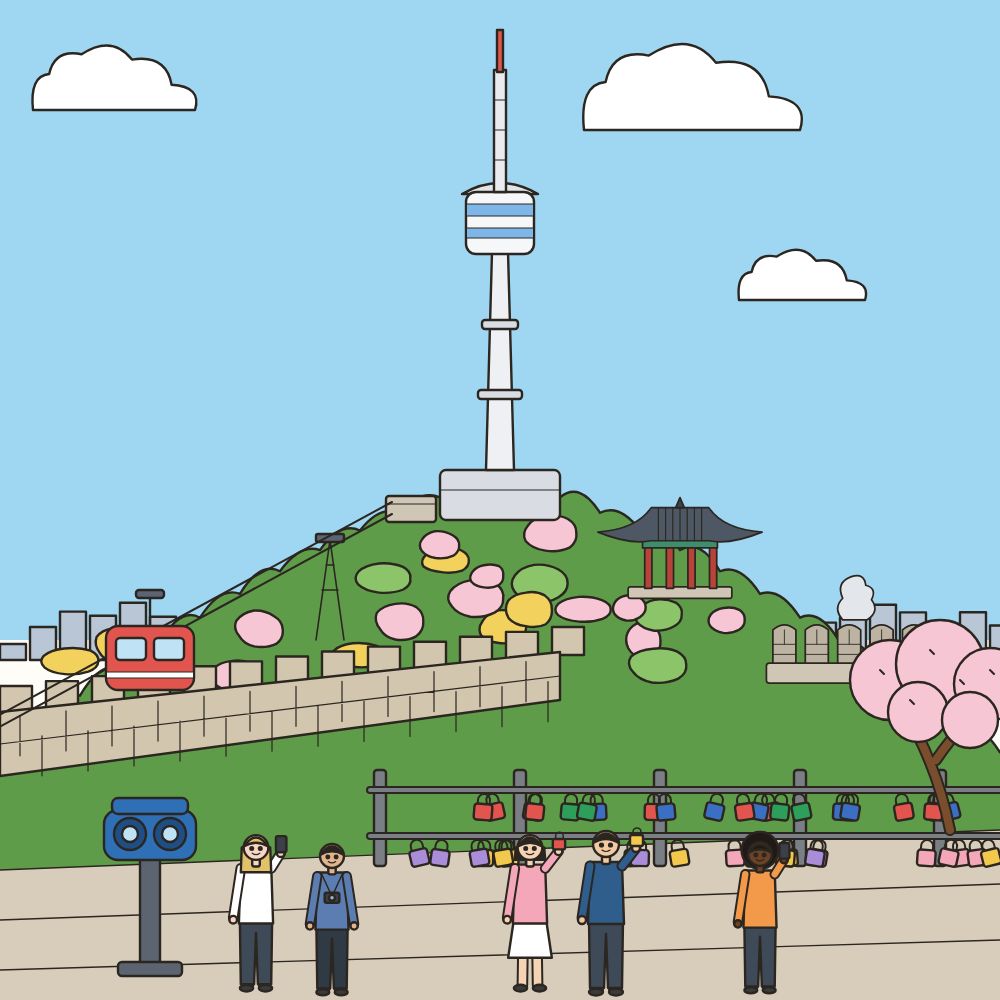
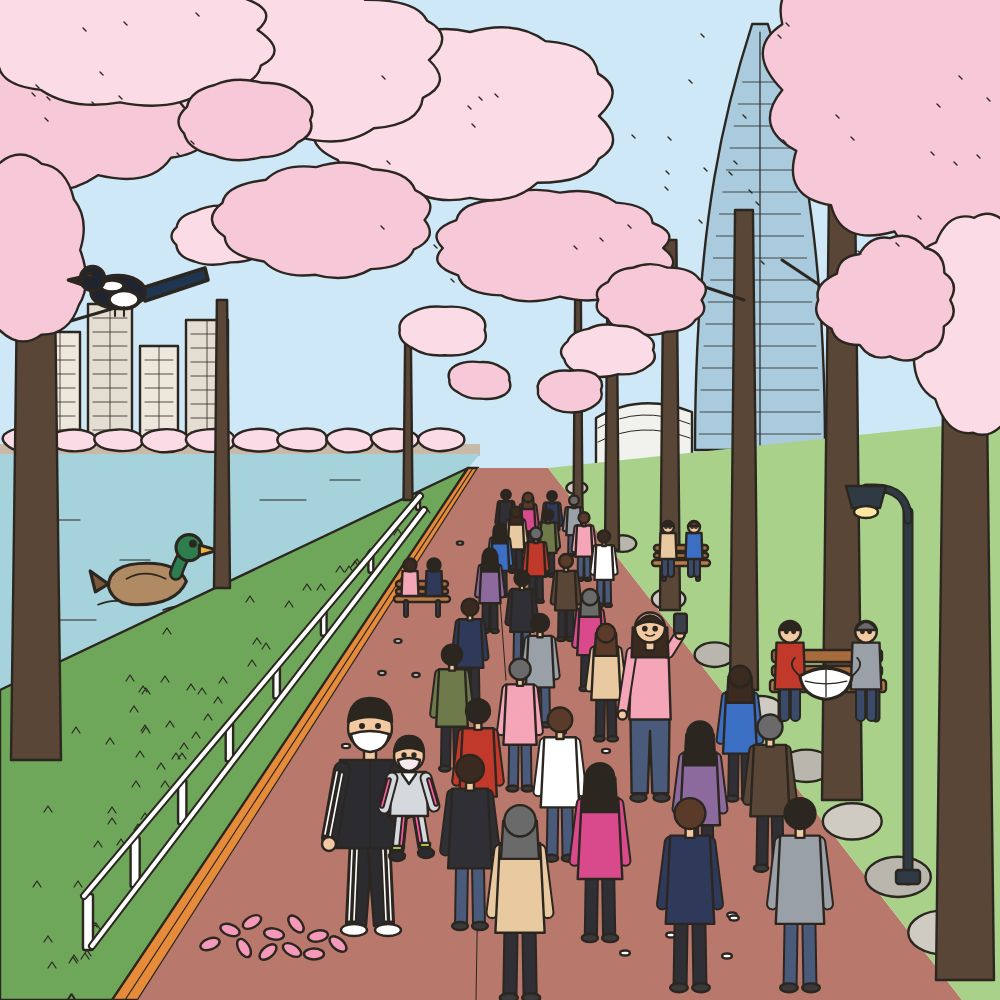
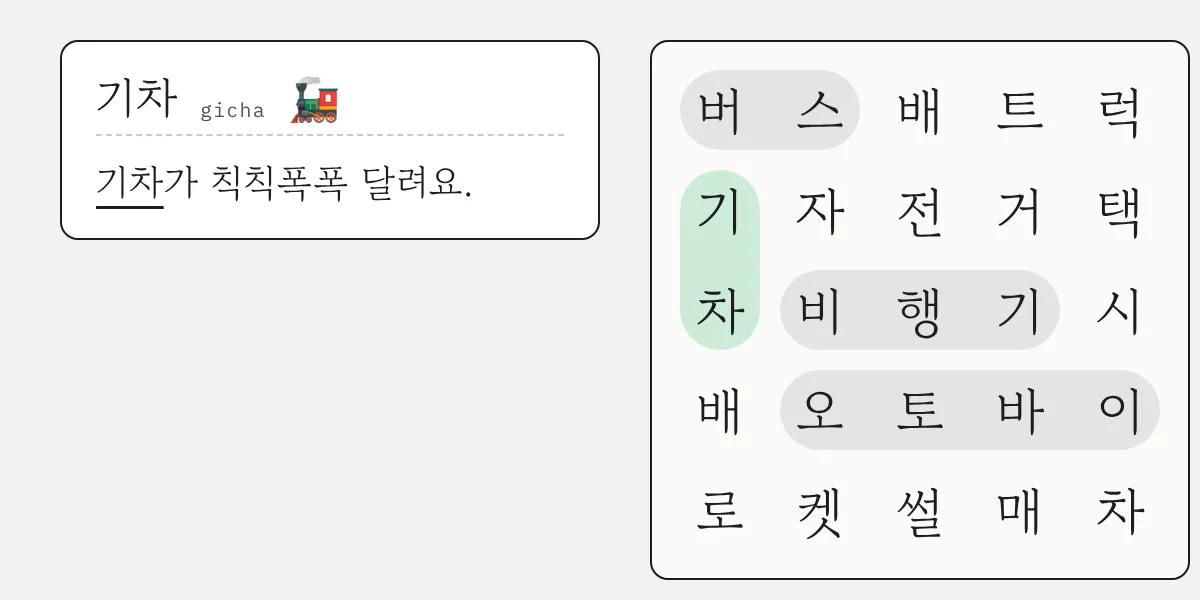
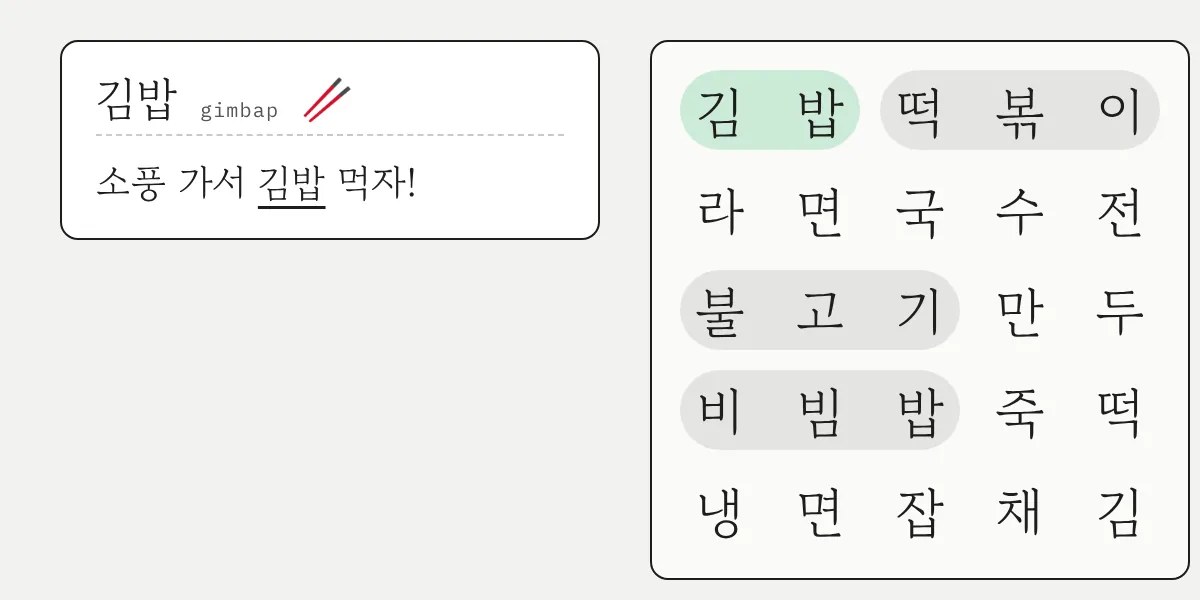
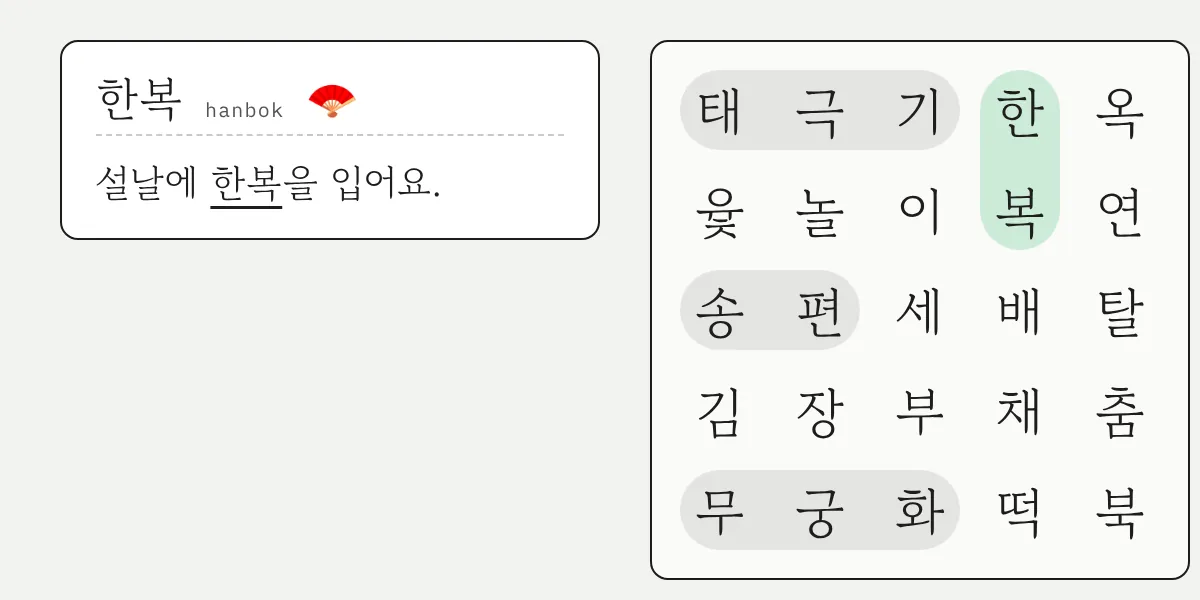
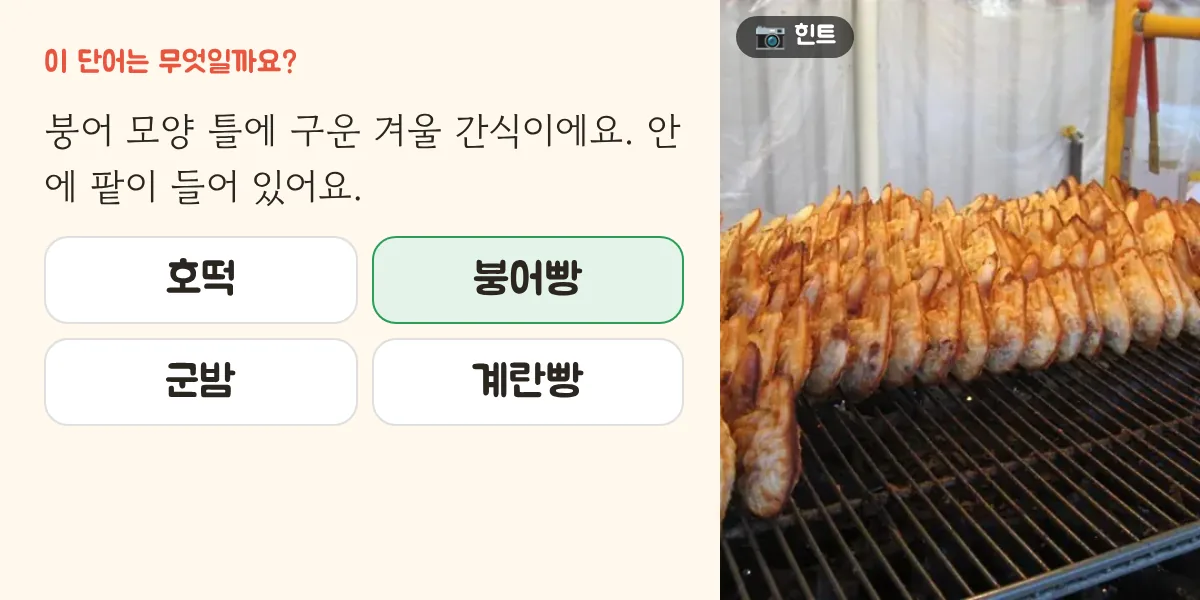
🔍 Korea Hidden Pictures (Learn Korean Words)GameKorea Hidden Pictures (Learn Korean Words) – Seoul Forest – Floor FountainKorea Hidden Pictures (Learn Korean Words) – Myeongdong StreetKorea Hidden Pictures (Learn Korean Words) – Korean BBQ RestaurantKorea Hidden Pictures (Learn Korean Words) – Seoul SubwayKorea Hidden Pictures (Learn Korean Words) – Factory FloorKorea Hidden Pictures (Learn Korean Words) – Gyeongbokgung PalaceKorea Hidden Pictures (Learn Korean Words) – Namsan & N Seoul TowerKorea Hidden Pictures (Learn Korean Words) – Seokchon Lake – Cherry Blossom PathKorea Hidden Pictures (Learn Korean Words) – Convenience StoreKorea Hidden Pictures (Learn Korean Words) – Farm GreenhouseKorea Hidden Pictures (Learn Korean Words) – Lotte World Tower – Christmas MarketKorea Hidden Pictures (Learn Korean Words) – Han River ParkEvery hidden object you find teaches you a Korean word🔍 Hidden objects📖 Korean words🔊 Hear it spoken👶 Kid-friendlyHangul Word SearchGameHangul Word Search – rainbowHangul Word Search – appleHangul Word Search – tigerHangul Word Search – trainHangul Word Search – gimbapHangul Word Search – hanbokFind Korean words hidden in a grid — each one is read aloud with a picture and its meaning🧩 Word search📖 700+ words⏱ Time limit👶 Kid-friendlyGuess the Korean WordGameGuess the Korean WordSee a real photo, read the clue, guess the Korean word✅ Word quiz📷 Real photos🔊 Hear it spoken⭐ 5 stagesKorean Sentence BlocksGameKorean Sentence BlocksBuild Korean sentences from word blocks and pick the right particles🧩 Sentence building🔤 Particle practice🔊 Hear it spoken⭐ 5 stages