What a word search does for your Hangul
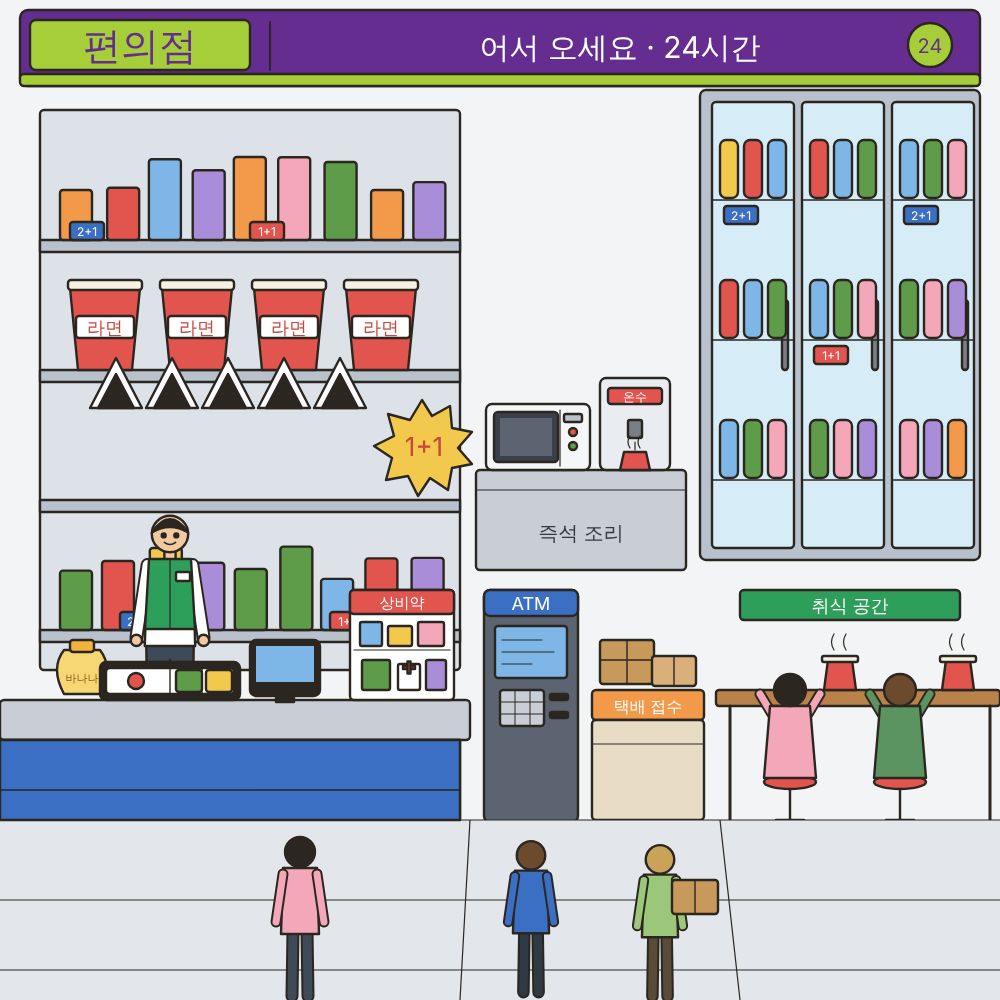
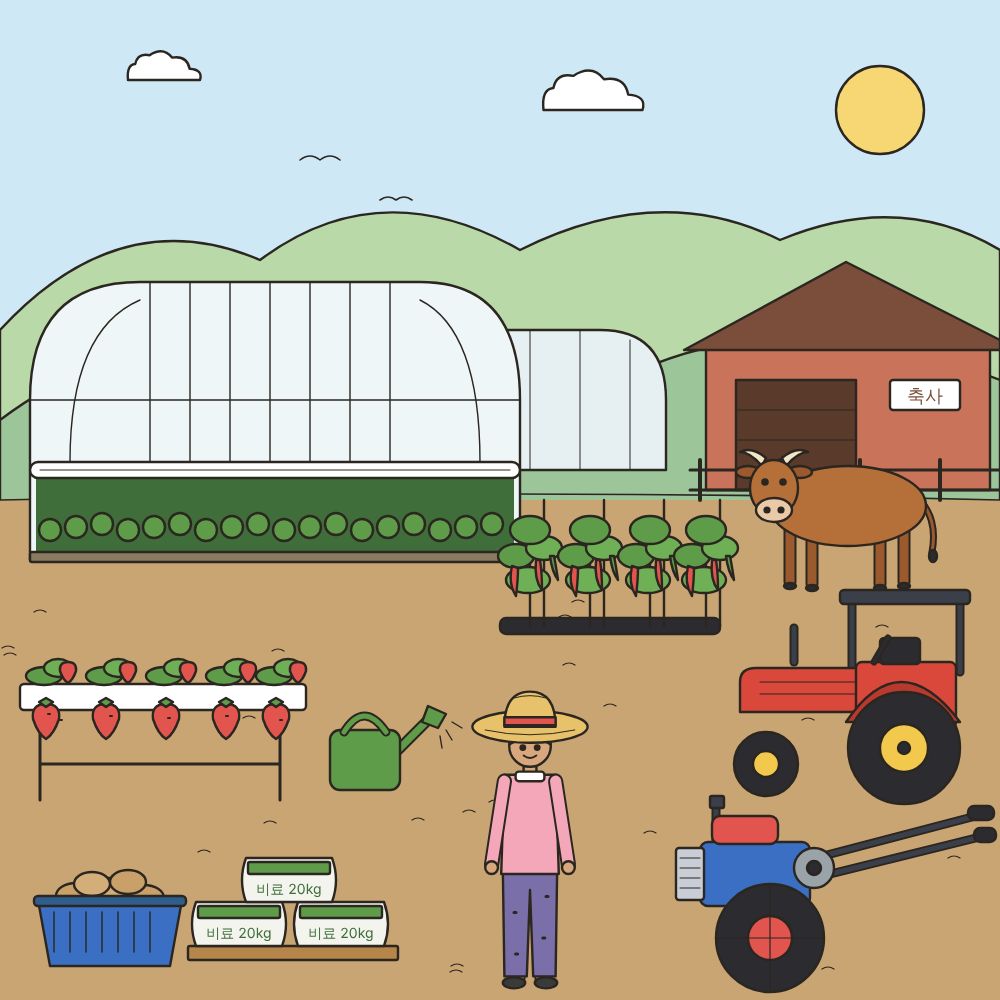
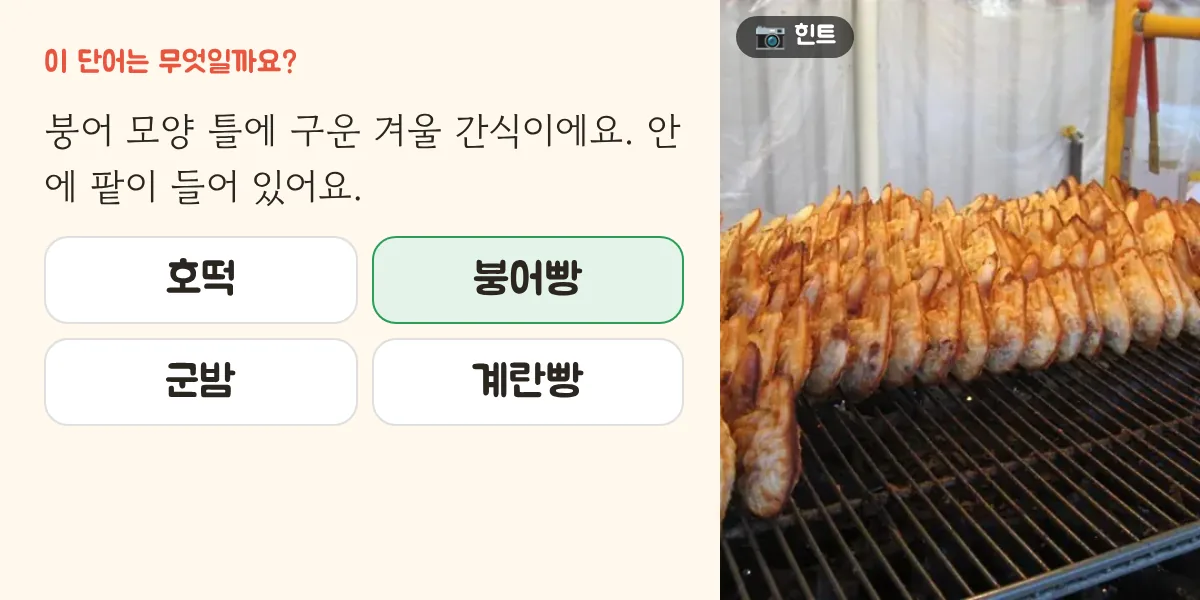
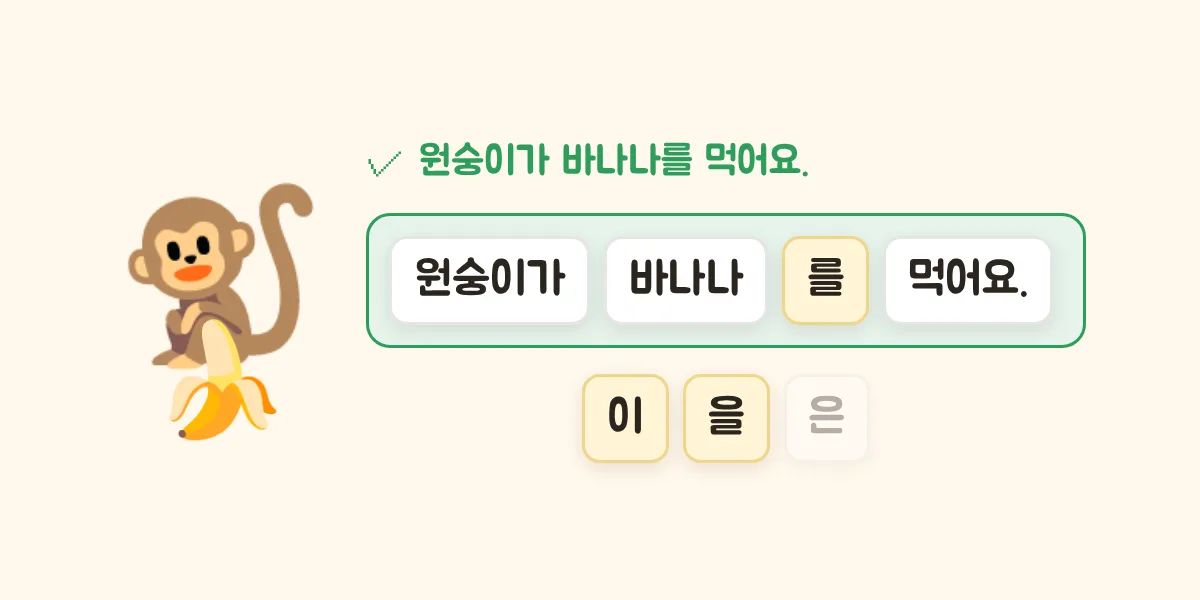
A word search trains you to scan a grid and spot the shape of a word you know. Each cell holds one Hangul syllable block, so beginners get fast practice reading syllables one by one, and learners who already know some words practice recalling a Korean word from its picture and meaning. There are 13 themes, from fruit, animals and family to Korean food, Korean culture, work and safety, each split into 5 levels. By the end, the aim is to read the basic words of each theme at a glance and remember them together with their sound, meaning and a short example sentence.
Reading Hangul quickly
The grid grows from 5×5 at level 1 to 9×9 at level 5. Empty cells are filled with syllables taken from other words in the same theme, so you have to pick the right block out of similar-looking ones. It builds your eye for small differences, like a block with or without a final consonant.
Core words by theme
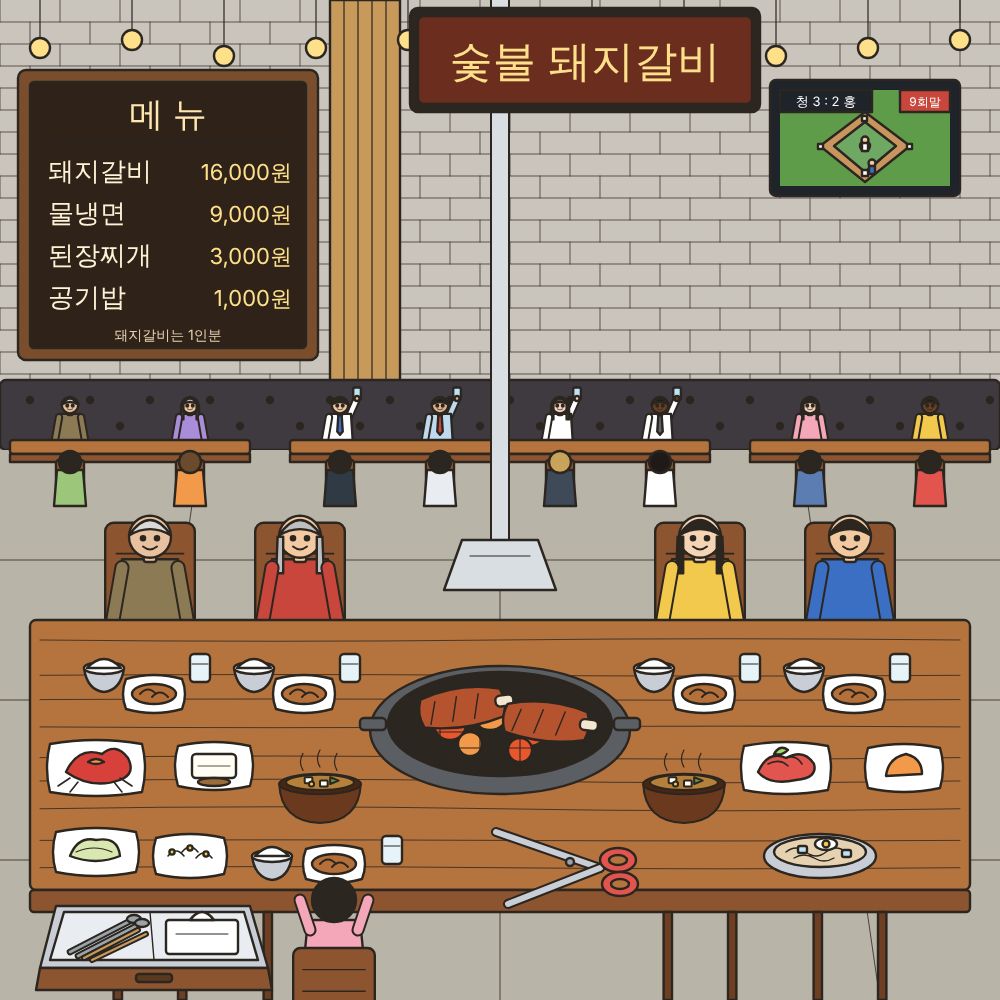
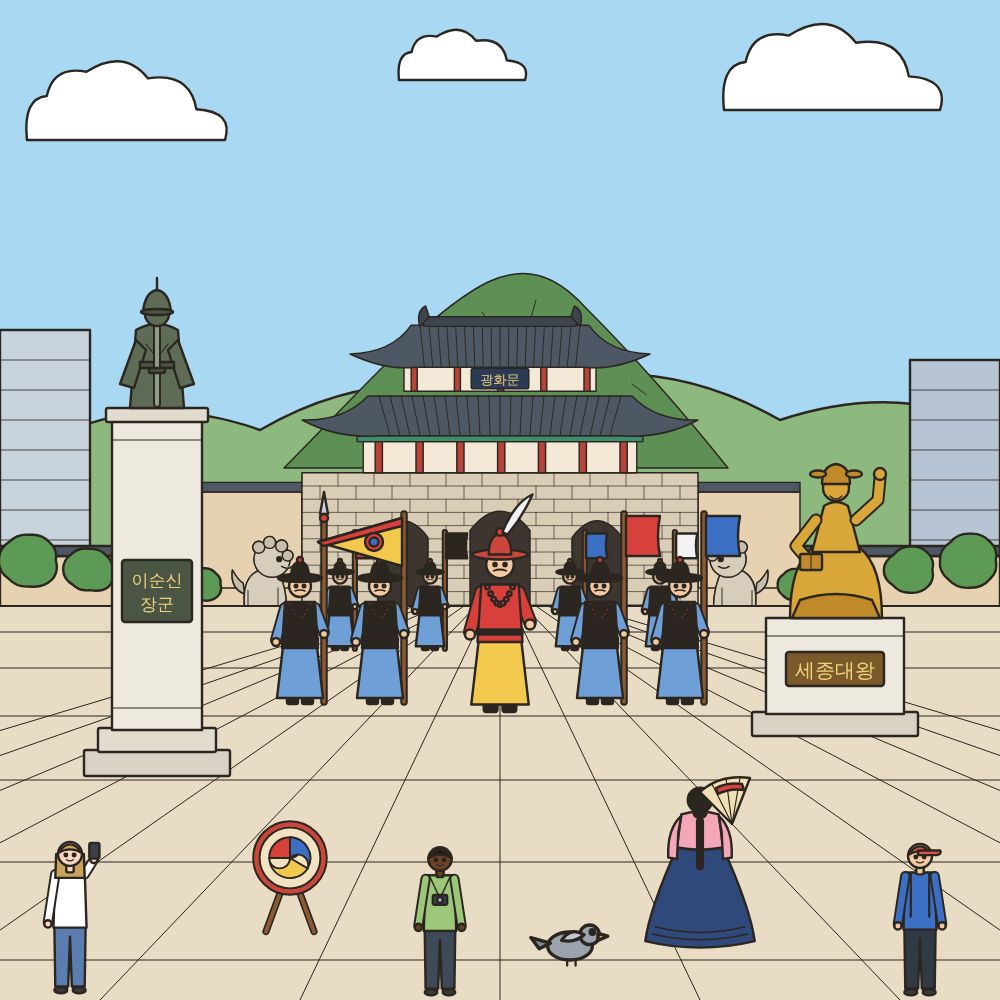
Each level has its own word set, so a word you found at level 1 won’t turn up again at level 5. Levels 1 and 2 use very easy everyday words like 사과 (apple) and 하늘 (sky); levels 4 and 5 bring longer, more distinctly Korean words such as 설렁탕 (ox bone soup), 세종대왕 (King Sejong the Great) and 건강검진 (health checkup). Within a level, words you haven’t seen yet come first.
Remembering words with sound and a sentence
When you find a word, a card shows a picture, its meaning and a short example sentence, and both the word and the sentence are read aloud. Sentences like 포도 한 송이 주세요 (a bunch of grapes, please) are ones you can use right away, so the word sticks along with its context.
Recalling words from pictures
Turn off “Show words in Hangul” and the word list shows only pictures and meanings. You see a watermelon, think of 수박, then look for it in the grid — a step harder than just matching letters.
Reading backwards and diagonally
Level 1 hides words across only (→). Levels 2 and 3 add down, level 4 adds the diagonal (↘), and level 5 adds backwards and the upward diagonal (↗). To spot 사과 written as 과사, you need to know the word’s shape well.