What this drill trains your ear to do
Many learners can read Korean but find that 달 and 딸, or 반 and 방, sound exactly the same when spoken. This drill works on the four sound contrasts learners mix up most and the four kinds of numbers you need to catch in daily life, across 8 stages. By the end, the goal is to tell look-alike words apart by sound alone, and to write down prices, dates, times and phone numbers you hear in a shop, a clinic or at work.
Vowels 어·오·우·으 (stage 1)
Words that differ by one vowel, like 거리·고리·구리 and 섬·솜·숨. 어 is said with open, unrounded lips; 오 with rounded, pushed-out lips. Picturing the mouth shape makes them easier to hear.
Plain, aspirated and tense consonants (stage 2)
Words like 달·탈·딸, 불·풀·뿔 and 자다·차다·짜다 that differ only in how the consonant is pushed out. Aspirated sounds (ㅌ ㅍ ㅊ ㅋ) come with a strong puff of air; tense sounds (ㄸ ㅃ ㅉ ㄲ) have no air and a tight throat. This is the contrast learners struggle with longest.
Final consonants ㄴ·ㅇ·ㅁ·ㄹ (stage 3)
Words like 반·방·밤·발 and 상·산·삼 that differ only in the last sound. With ㅁ the lips close at the end; with ㅇ the sound rings in the nose and the mouth stays open.
Work and daily-life words (stage 4)
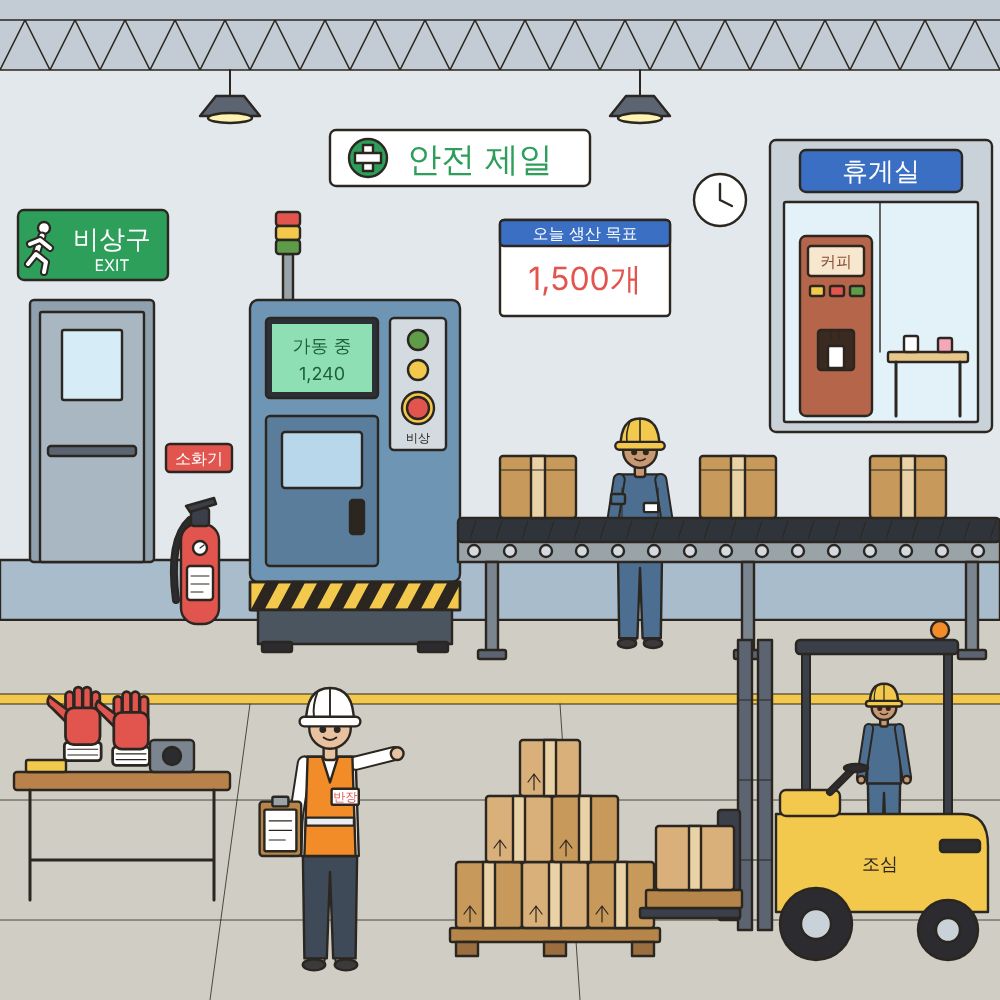
Similar words often heard at work, such as 안전·안정·완전, 출근·출구 and 포장·공장 — the same format as the EPS-TOPIK “choose what you heard” listening questions.
Prices, dates, times and phone numbers (stages 5–8)
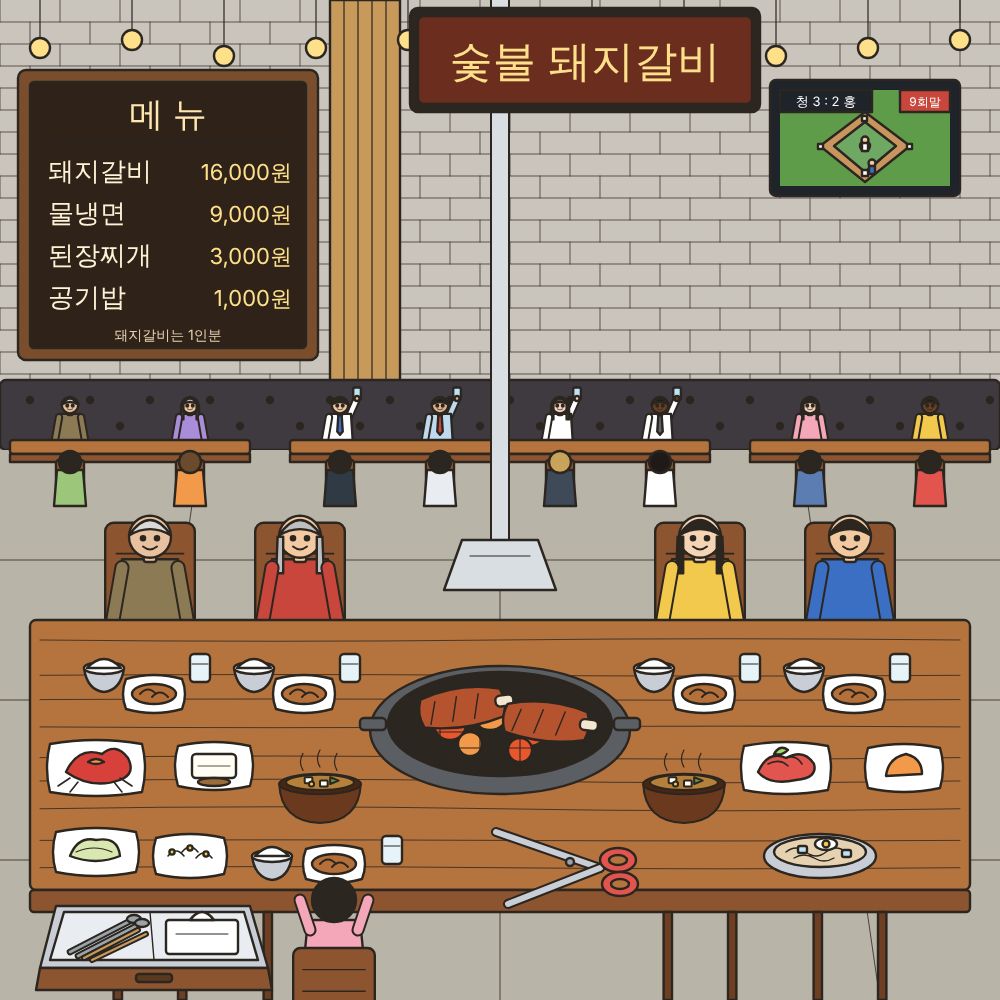
Numbers like 삼만 이천 원, 유월 이십일 일, 오후 세 시 반 and 공일공에… You also pick up the reading rules — hours use native Korean numbers (한, 두, 세) while minutes use Sino-Korean ones (일, 이, 삼). Number questions are generated fresh every round, so you can’t pass by memorizing.