Pick the right polite reply to your boss, colleagues and clients at a Korean company
How to use
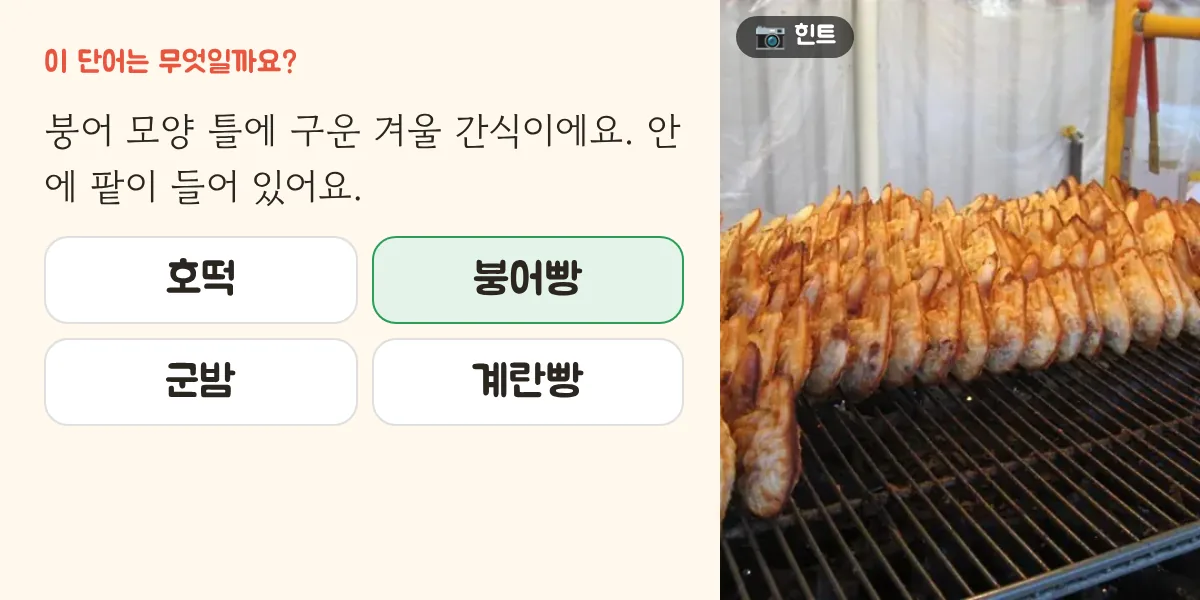
At the top you see the place (office, meeting room, reception room, or a phone, email or messenger screen), the other person’s face and title, and what they say in a speech bubble. Pick the right reply from the four answers below: it’s read aloud, with romanization, a translation and a one-line Korean office-culture note. Tap 🔊 to hear the other person’s line again and check what it means.
Stage 1 covers 처음 뵙겠습니다, business cards, job titles and arriving/leaving greetings; stage 2 phone calls (잠시만 기다려 주시겠습니까?, 자리에 안 계십니다) and email and messenger replies; stage 3 meetings (giving opinions, disagreeing politely, 여쭤봐도 될까요?, scheduling); stage 4 reports and weekly meetings (완료했고, 진행 중입니다, reporting problems, getting approval).
Stage 5 is hands-on hosting: welcoming and guiding visitors, offering tea, negotiating prices, quotes and delivery dates, and seeing guests off. The other person’s line is played aloud first, with the text shown too. Every option is natural Korean, but some talk about a different schedule or a different person, or accept when they should decline (or the other way round), so you have to understand what was said. The honorific points are explained after each correct answer.
Each stage has 10 questions, drawn at random from 15–16, and each mistake costs a heart. Lose all 3 hearts and you start again; finish and you earn one star per heart left (up to 3). One star unlocks the next stage — and clearing stage 5 means you’ve graduated from the Learn Korean course: retake the level test and try reading our blog posts in the original Korean.
Business Korean Phrases for the Office – What You Learn in Step 11
Korean Business Conversation is Step 11 of our Learn Korean course – the final, graduation step – for anyone who works at a Korean company or deals with Korean clients. You learn the business Korean phrases used at work, from greetings and business cards to phone calls, emails, meetings, reports and hosting clients, by replying to your boss, colleagues and visitors. It’s free, with no sign-up.
Stage 1 · Greetings, introductions & business cards
Introduce yourself to a new client, your new team and the CEO, and exchange business cards. The most common slip is adding 씨 or 님 to your own name (이지은 씨입니다 ✗).
- 처음 뵙겠습니다. 새봄전자 마케팅팀 이지은입니다. cheoeum boepgetseumnida. saebomjeonja maketingtim ijieunimnida. Nice to meet you. I’m Lee Jieun from the marketing team at Saebom Electronics.
- 감사합니다. 제 명함도 드리겠습니다. gamsahamnida. je myeonghamdo deurigetseumnida. Thank you. Let me give you my card too.
- 네, 수고하셨습니다. 내일 뵙겠습니다. ne, sugohasyeotseumnida. naeil boepgetseumnida. You too, thanks for your hard work. See you tomorrow.
Stage 2 · Phone, email & messenger
Answer the office phone, take a message and reply to work emails. What others do for you is 주시다 and what you do for them is 드리다 – mixing the two up is a classic mistake.
- 네, 잠시만 기다려 주시겠습니까? ne, jamsiman gidaryeo jusigetseumnikka? Certainly. Could you hold on a moment, please?
- 지금 자리에 안 계십니다. 메모 남겨 드릴까요? jigeum jarie an gyesimnida. memo namgyeo deurilkkayo? He’s not at his desk right now. Shall I take a message?
- 보내 주신 견적서 잘 받았습니다. 확인 후 회신드리겠습니다. bonae jusin gyeonjeokseo jal badatseumnida. hwagin hu hoesindeurigetseumnida. I’ve received the quotation you sent. I’ll check it and get back to you.
Stage 3 · Meetings
Share your view, disagree politely and set the next meeting time. Bluntly saying “that’s wrong” or attaching 께서 to your own opinion (제 생각께서는 ✗) are typical errors.
- 제 생각에는 출시를 한 달 미루는 게 좋을 것 같습니다. je saenggageneun chulsireul han dal miruneun ge joeul geot gatseumnida. In my opinion, it would be better to push the launch back a month.
- 한 가지 여쭤봐도 될까요? han gaji yeojjwobwado doelkkayo? May I ask one thing?
- 다음 주 화요일 오후 두 시는 어떠십니까? daeum ju hwayoil ohu du sineun eotteosimnikka? How about next Tuesday at 2 p.m.?
Stage 4 · Reports & weekly meetings
Report by tense – done, in progress, planned – and flag delays or mistakes early. Watch out for putting -시- on your own work (완료하셨고 ✗).
- 자료 조사는 완료했고, 보고서는 작성 중입니다. jaryo josaneun wallyohaetgo, bogoseoneun jakseong jungimnida. The research is done, and I’m writing the report.
- 다음 주에는 분석 결과를 바탕으로 보고서를 마무리할 예정입니다. daeum jueneun bunseok gyeolgwareul batangeuro bogoseoreul mamurihal yejeongimnida. Next week I plan to finish the report based on the analysis.
- 지금은 잘 모르겠습니다. 확인해 보고 말씀드리겠습니다. jigeumeun jal moreugetseumnida. hwaginhae bogo malsseumdeurigetseumnida. I’m not sure right now. I’ll check and let you know.
Stage 5 · Hosting visitors & clients
Welcome guests, respond to price and deadline requests, and see them off at the elevator. This stage is listening-based. Things like tea or documents never take honorifics, so say 녹차 여기 있습니다, not 녹차 나오셨습니다.
- 네, 기다리고 있었습니다. 이쪽으로 오시죠. ne, gidarigo isseotseumnida. ijjogeuro osijyo. Yes, we’ve been expecting you. This way, please.
- 내부적으로 검토해 보고 다시 말씀드리겠습니다. naebujeogeuro geomtohae bogo dasi malsseumdeurigetseumnida. We’ll review it internally and get back to you.
- 저희가 감사하죠. 조심히 들어가십시오. jeohuiga gamsahajyo. josimhi deureogasipsio. The thanks are ours. Have a safe trip back.
After Step 11 you can greet people, take calls, write emails, join meetings and report at a Korean company in the right 합니다 style with the right honorifics. It’s the last step, so you’ve graduated – retake the level test to see how far you’ve come, then try reading our Korean blog posts in the original.
Frequently asked questions
What are the most useful business Korean phrases?
The ones you’ll hear every day are 처음 뵙겠습니다 (nice to meet you), 잘 부탁드립니다 (I look forward to working with you) and 수고하셨습니다 (thanks for your hard work). When you leave before your boss, say 먼저 들어가 보겠습니다, and when you get an instruction, 네, 알겠습니다. Softening a request with 죄송하지만 … 주실 수 있을까요? (“I’m sorry, but could you…?”) goes a long way.
Should I use 합니다 or 해요 at work in Korea?
Use the formal 합니다 style in meetings, reports, phone calls and with clients (알겠습니다, 보내 드리겠습니다). With peers or a friendly senior, the polite 해요 style is fine (파일 열려요?). Avoid casual 반말 at work, even with colleagues you’re close to.
How do you address your boss in Korean?
Call seniors by their title plus 님 – 팀장님, 과장님, 대표님 – rather than by name; “name + 씨” sounds rude to a boss. Never add 님 or 씨 to your own name or title. Some companies now call everyone “name + 님” instead of using titles.
How do you start and end a business email in Korean?
Open with greeting + company/team + name, e.g. 안녕하세요, 새봄전자 마케팅팀 이지은입니다, and close with 감사합니다 followed by your name and 드림 (올림 for someone very senior). To acknowledge a file, write 보내 주신 자료 잘 받았습니다; if you’re replying late, start with 답장이 늦어서 죄송합니다.
How do you answer the phone at a Korean office?
Instead of 여보세요, answer with your team and name: 네, 마케팅팀 이지은입니다. To put someone on hold, say 잠시만 기다려 주시겠습니까?, and if the person they want is out, 지금 자리에 안 계십니다. 메모 남겨 드릴까요? Stage 2 of the game lets you practise exactly these replies.