☆ Find us again easily

Found a page you like? Save it for later.

🔎 To find us again

Address
thevibelab.net
Search
Vibe Lab Korean

Amsa-dong Prehistoric Site Hidden Pictures

Time-travel 6,000 years back to a Neolithic village by the Han River.

Korea Hidden Pictures (Learn Korean Words)Open full size ↗

Test your Korean level ⏱ About 5 minutes · 20 questions ▶ Start the test

How to use

This Amsa-dong Prehistoric Site scene was drawn by Vibe Lab. In the game you start with a line drawing — tap each hidden object to color it in and hear its Korean name with a short explanation.

Pick a place, then find and tap the objects listed at the bottom. Each one you find gets colored in and you hear the Korean word. Stuck? Tap 💡 Hint. Zoom with two fingers or the + button.

8 Korean words to find in Amsa-dong Prehistoric Site

KoreanPronunciationMeaningAbout
움집 umjip pit house A pit house: dug into the ground, with wooden poles and a thatched roof. Neolithic people lived here about 6,000 years ago.
빗살무늬토기 bitsal munui togi comb-pattern pottery Pottery decorated with lines like the teeth of a comb. Its pointed bottom was pushed into the sand to stand up. It is the signature pottery of Korea’s Neolithic age.
화덕 hwadeok hearth The hearth in the middle of a pit house, used for cooking and keeping warm.
갈돌과 갈판 galdol-gwa galpan grinding stones Grain or acorns were placed on the flat stone (galpan) and ground into flour with the hand stone (galdol).
돌도끼 doldokki stone axe A polished stone axe for cutting and shaping wood.
그물추 geumulchu net sinkers Stone weights tied to a fishing net so it sinks. The people of Amsa-dong fished in the nearby Han River.
도토리 dotori acorns Acorns. Neolithic people gathered and ground them for food — and Koreans still eat acorn jelly (dotorimuk) today.
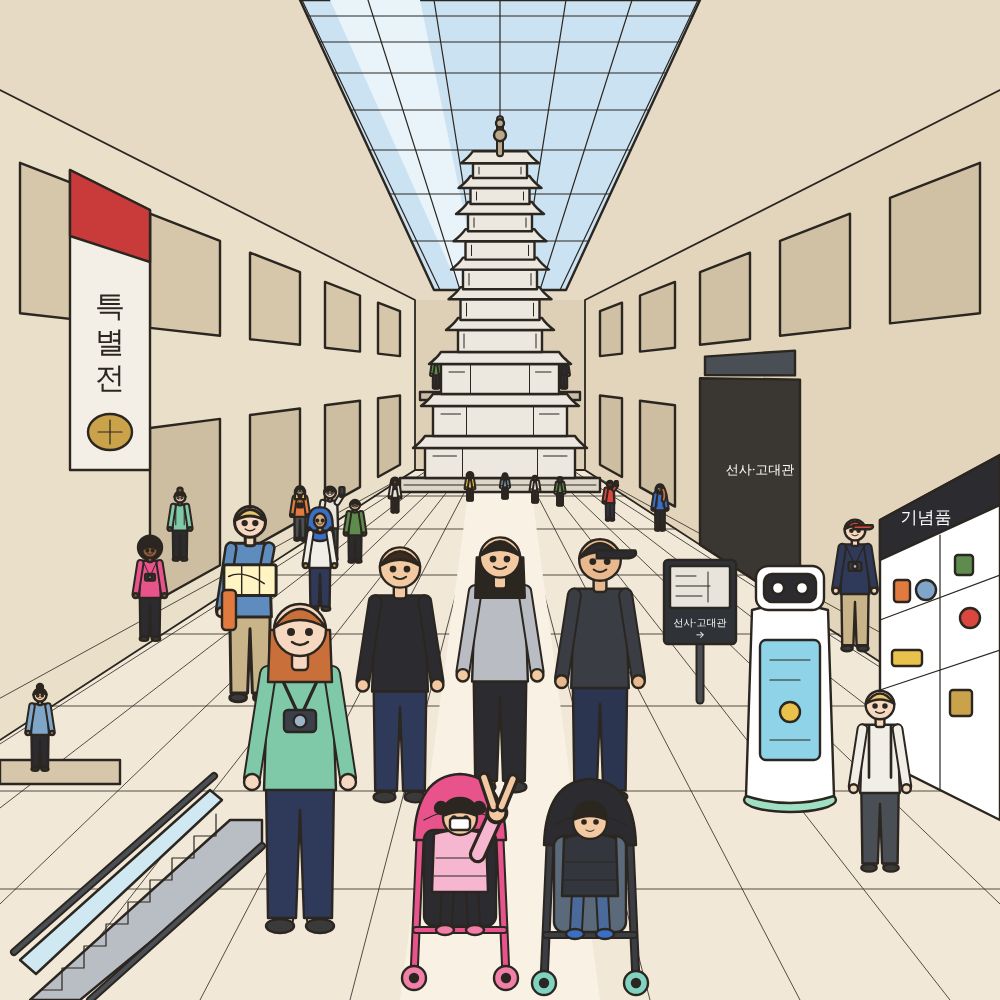
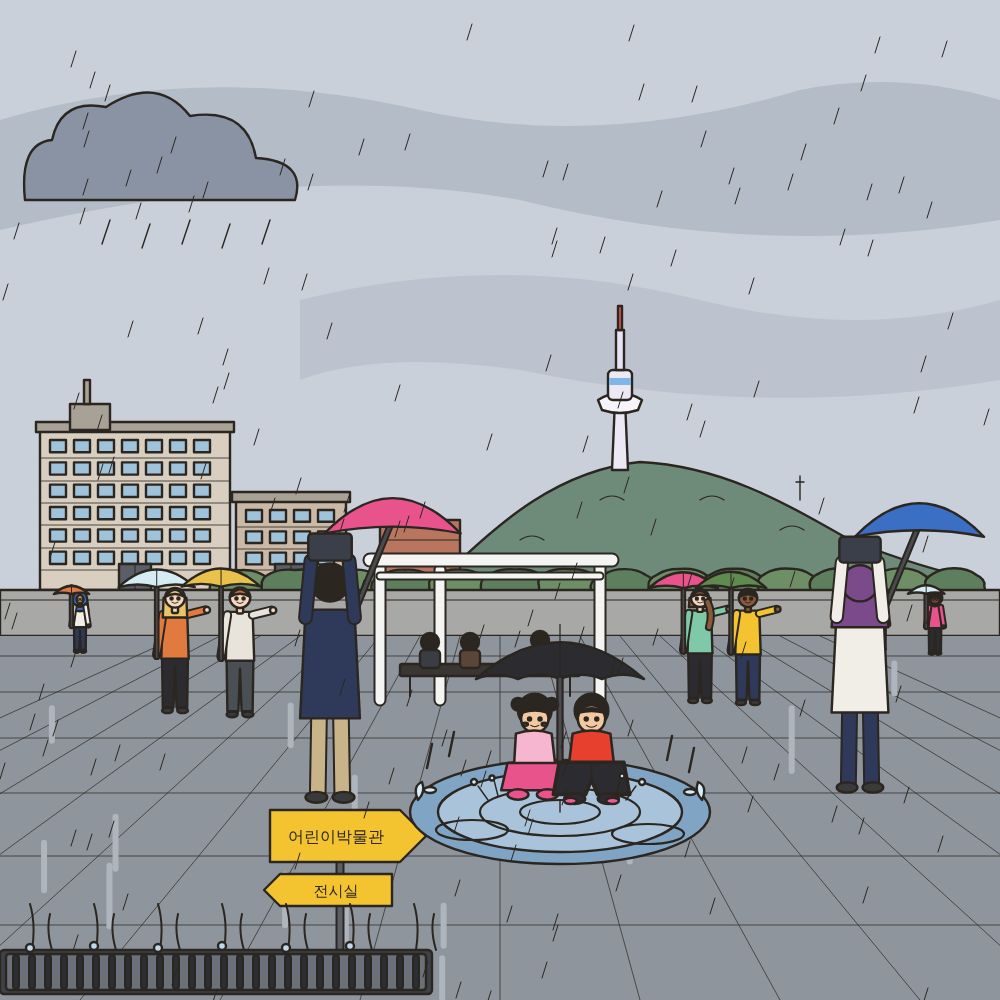
박물관 bangmulgwan museum A museum. Here you can see house sites and pottery that were dug up from the ground.

📖 We visited this place: An Autumn Walk Through a 6,000-Year-Old Village →

Frequently asked questions

Show all 8 questions

What is the Amsa-dong Prehistoric Site?

It is a village site where Neolithic people lived by the Han River about 6,000 years ago. It is one of the places in Korea where the most Neolithic house sites have been found, and it is a designated national historic site.

How do I get there?

It is in Gangdong-gu, Seoul. You can walk from Amsa Station or Amsa History Park Station on subway Line 8. A map app is the easiest way to check bus routes.

Is there an admission fee?

Admission, opening hours and closing days can change, so check the official information. It is an easy, relaxed place to visit with kids.

What can I see there?

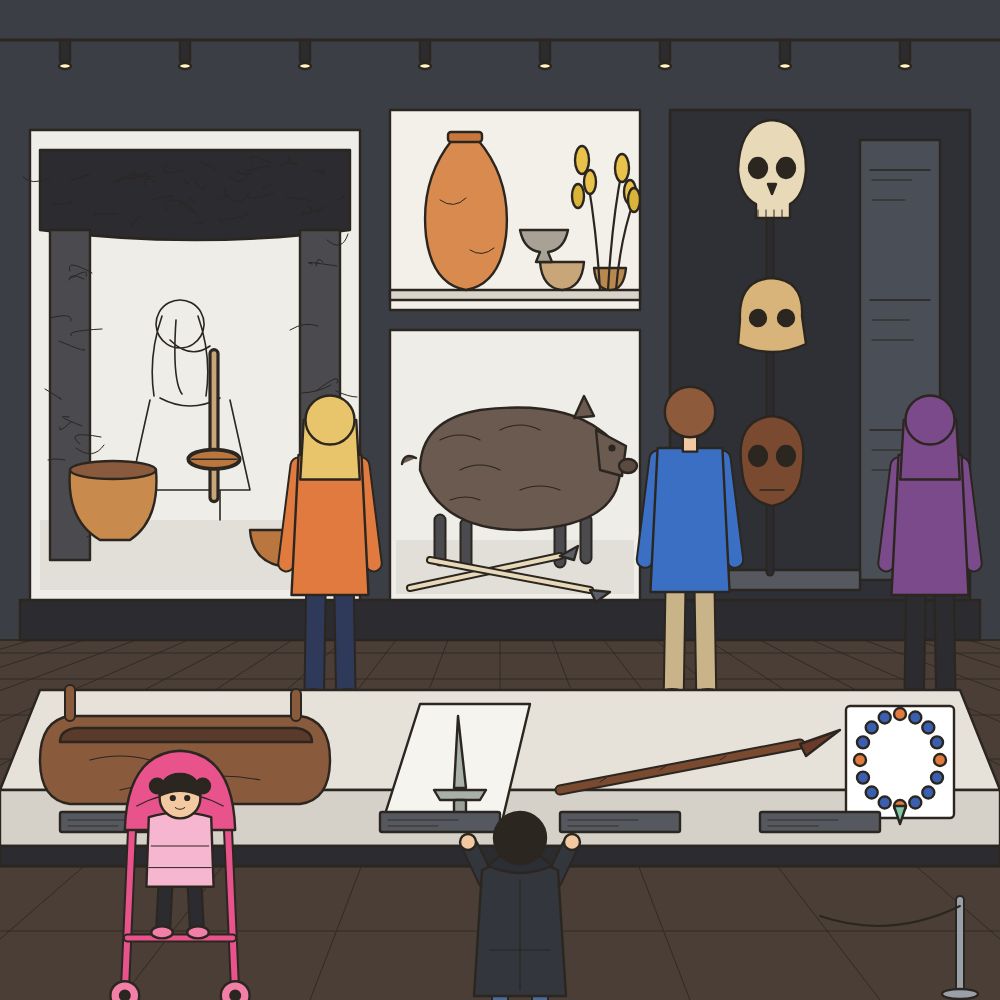
Reconstructed pit houses stand together like a small village, and the exhibition hall shows real excavated artifacts such as comb-pattern pottery, stone axes, grinding stones and net sinkers. There is also a display recreating the inside of a pit house.

What is a pit house (umjip)?

It is a Neolithic home made by digging a round pit in the ground and covering it with a roof of wooden poles and grass. A hearth in the middle was used for cooking and keeping warm.

Why is comb-pattern pottery famous?

These pots have comb-like lines carved on the outside and are the signature artifact of Korea’s Neolithic period. Their pointed bottoms are thought to have been pushed into sandy ground to stand upright.

What did Neolithic people eat?

They caught fish in the Han River with nets and gathered nuts such as acorns, grinding them with grinding stones. That is why many net sinkers and grinding stones have been found here.

Is it good for kids?

Yes. There are wide lawns and walking paths, hands-on programs are sometimes held, and the Gangdong Prehistoric Culture Festival takes place in autumn. Check the official information for schedules.


Browse by place

All places →