An Autumn Walk Through a 6,000-Year-Old Village: Amsa-dong Prehistoric Site, Seoul (500 Won Entry)
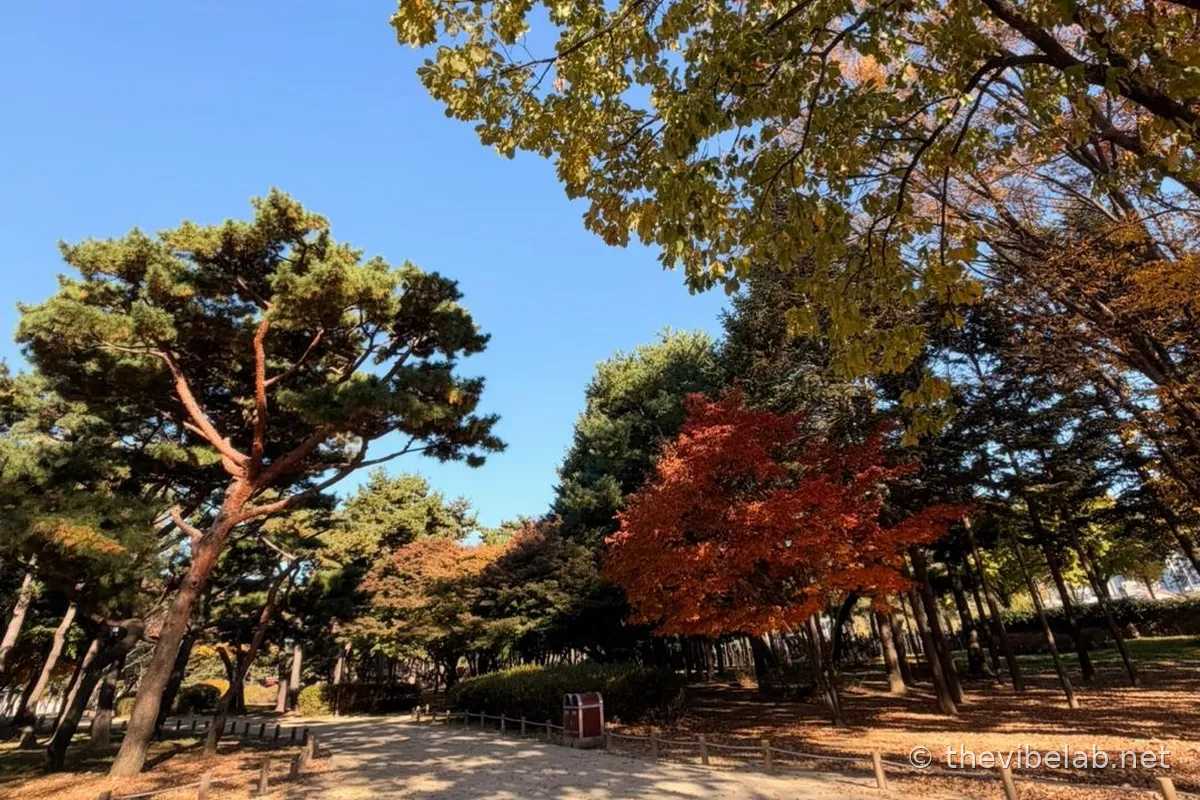
On a late-autumn weekend, my family and I visited the Amsa-dong Prehistoric Site in Gangdong-gu, Seoul. The fall colors were stunning: yellow leaves and bright red maples under a clear blue sky, with a soft carpet of fallen leaves along the walking paths.
To be honest, it isn’t a place I’d tell a first-time visitor to Seoul they absolutely must see. It’s not flashy. But if you want a quiet half-day away from the crowds, it’s hard to beat. The Korean word for it is gojeunhada: calm, peaceful, a little old-world.
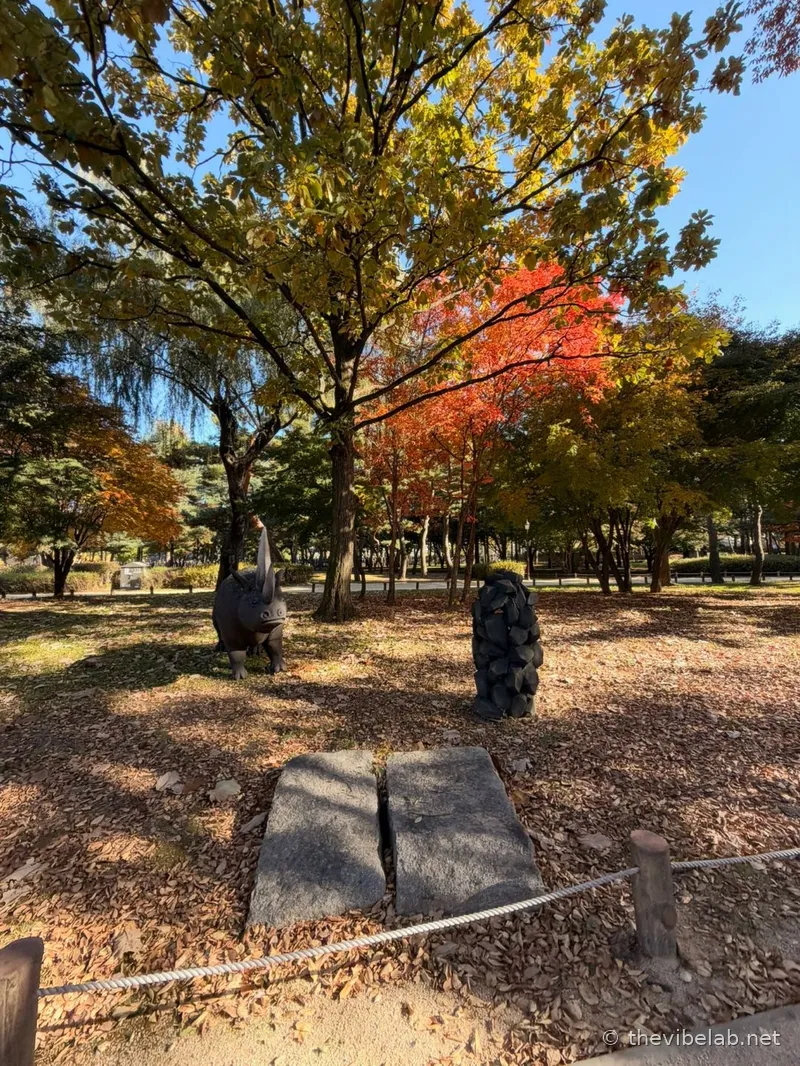
A village from 6,000 years ago
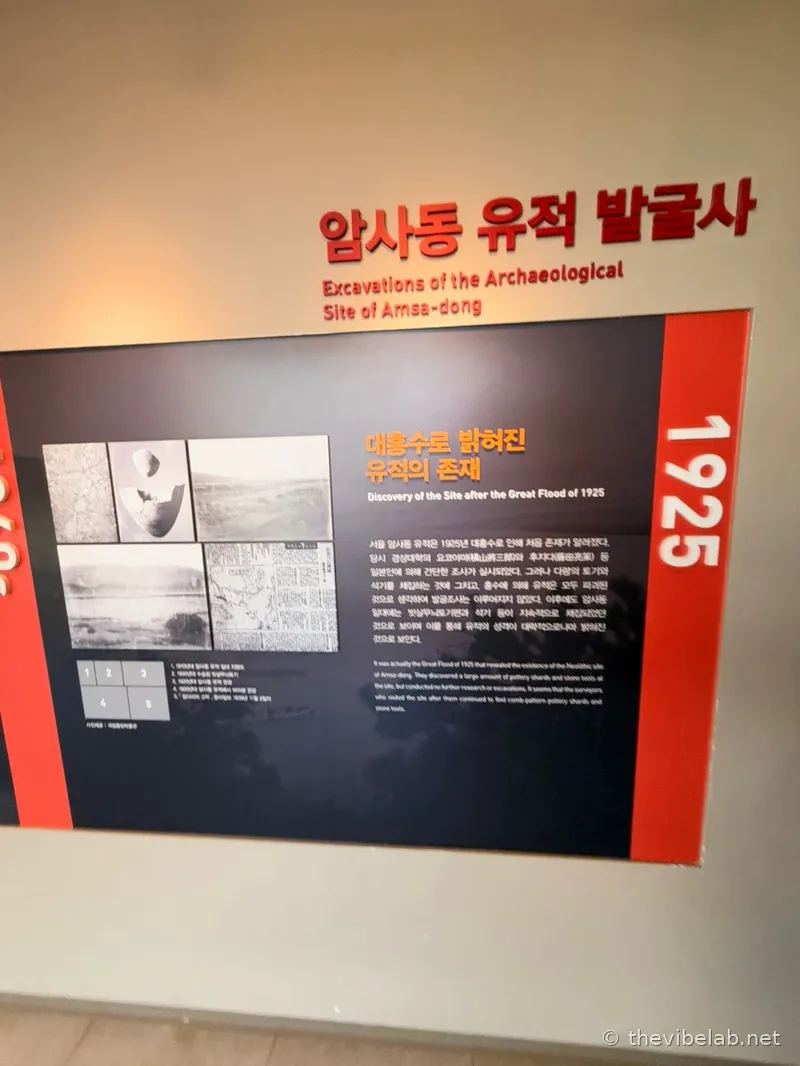
About 6,000 years ago, Neolithic people lived here in a village on the banks of the Han River. According to the museum, the site came to light after a great flood in 1925 washed up pottery shards and stone tools.
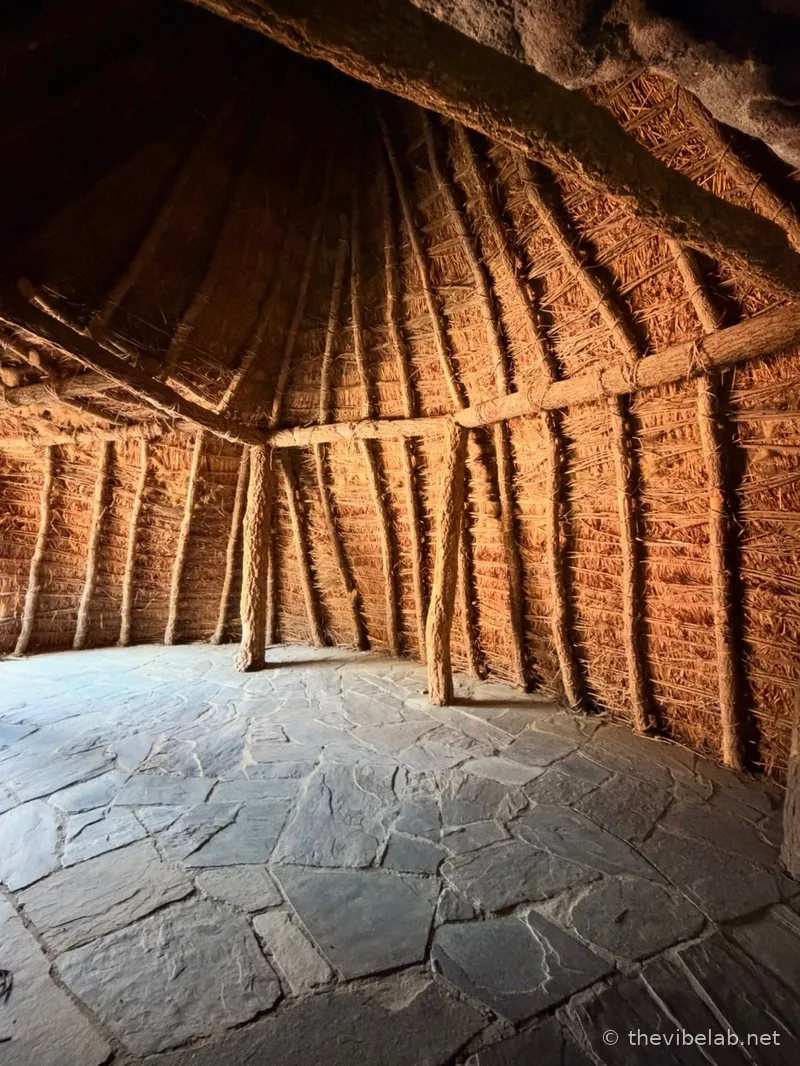
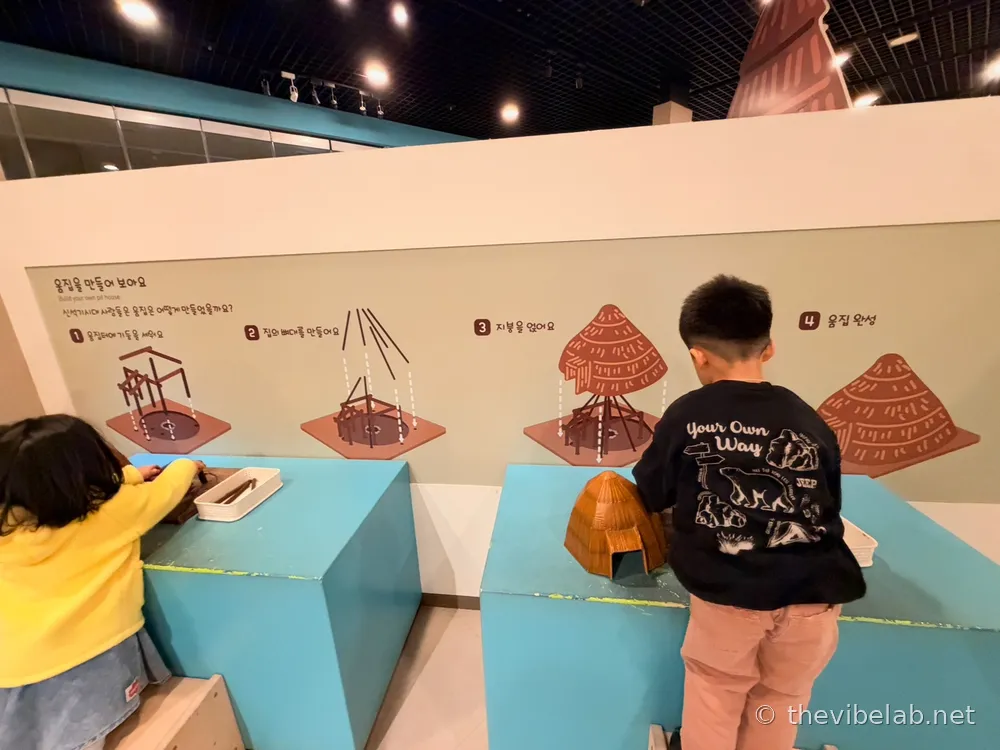
Outside, you can walk among reconstructed pit houses (umjip): homes dug into the ground, with slanted wooden poles and thatched roofs. It’s darker inside than you’d expect, and my child was scared at first. But they gathered their courage and stepped in, one small step at a time.
Comb-pattern pottery
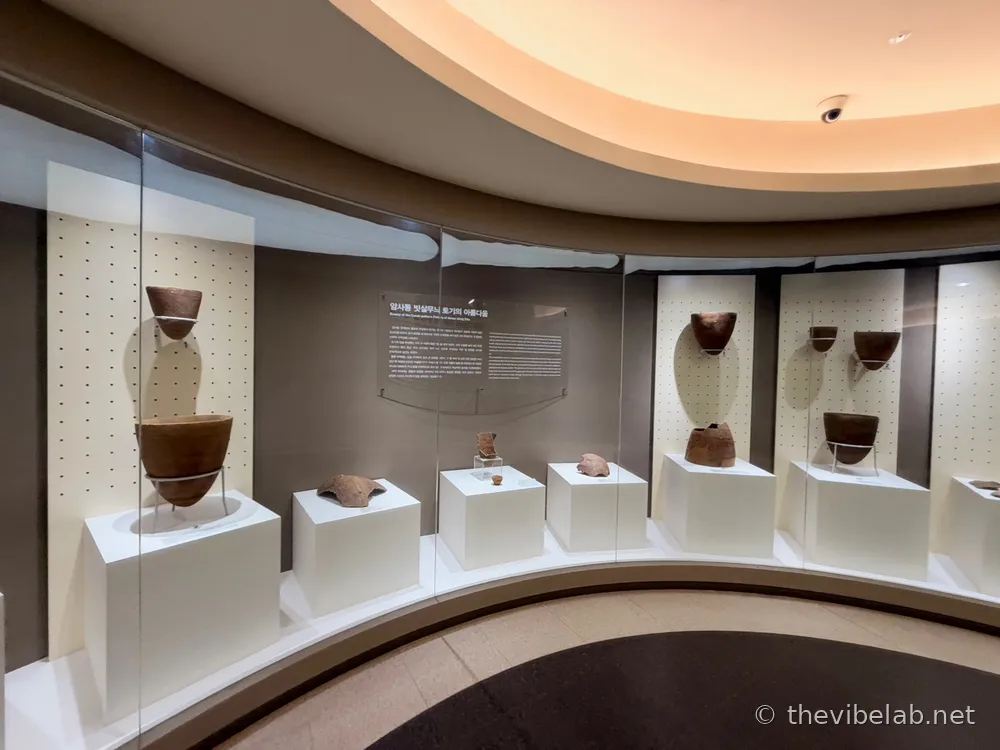
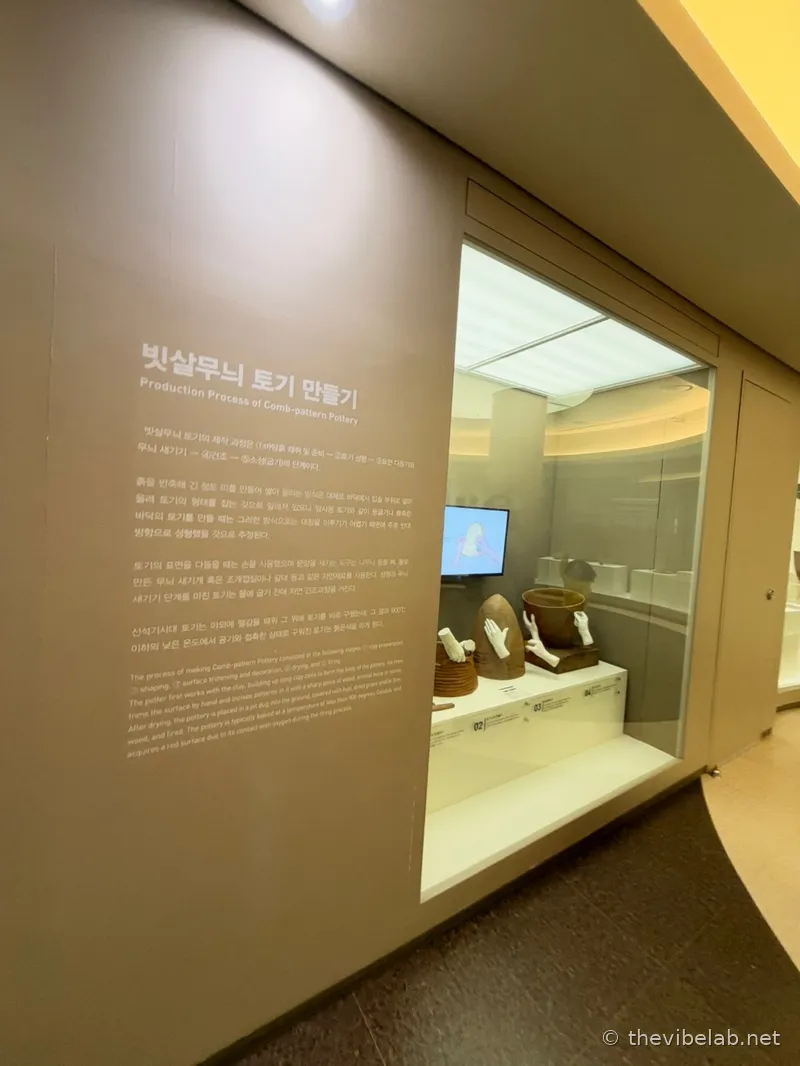
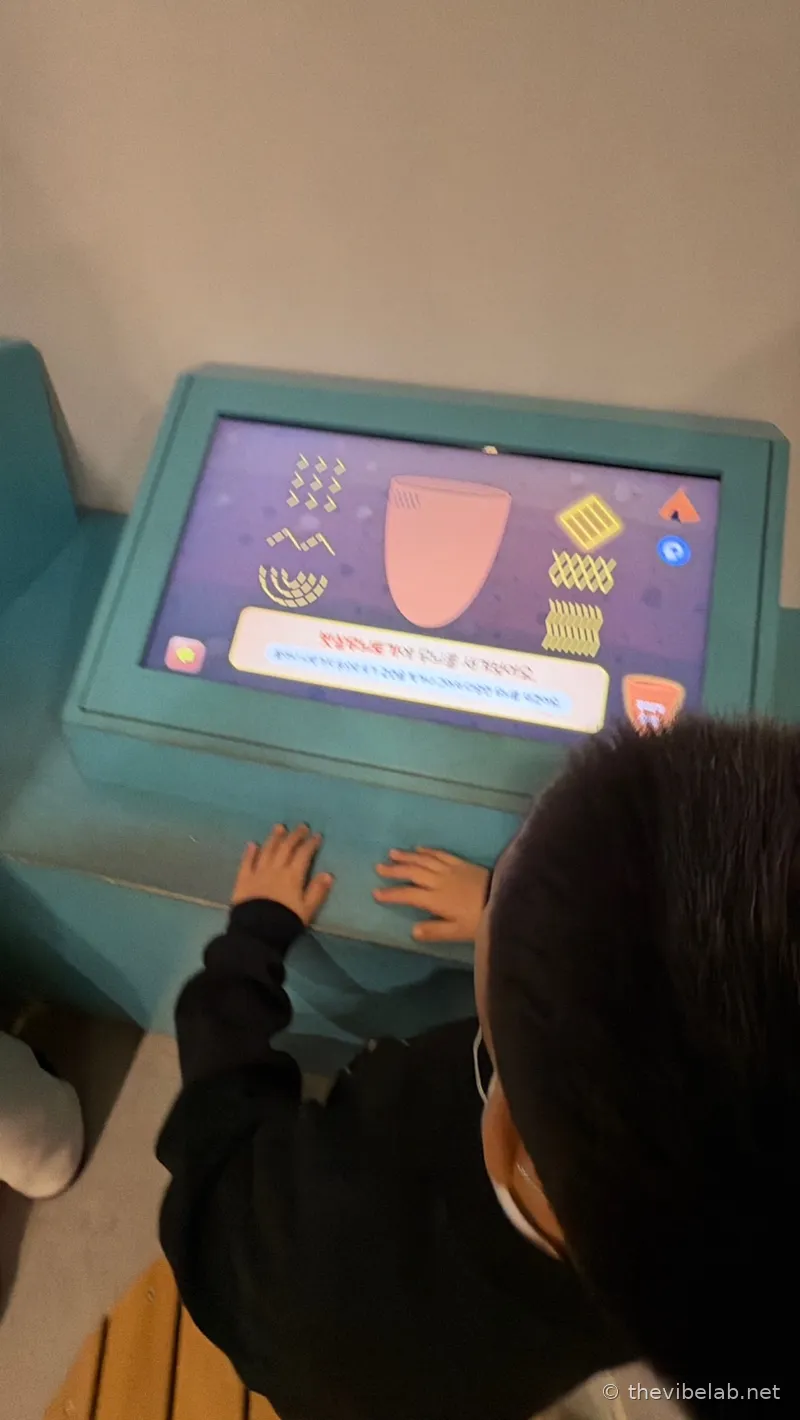
The signature find here is comb-pattern pottery (bitsal munui togi): pots with pointed bottoms, decorated with lines like the teeth of a comb, that were pushed into the sand to stand up. The museum also walks you through how they were made, from preparing the clay to firing.
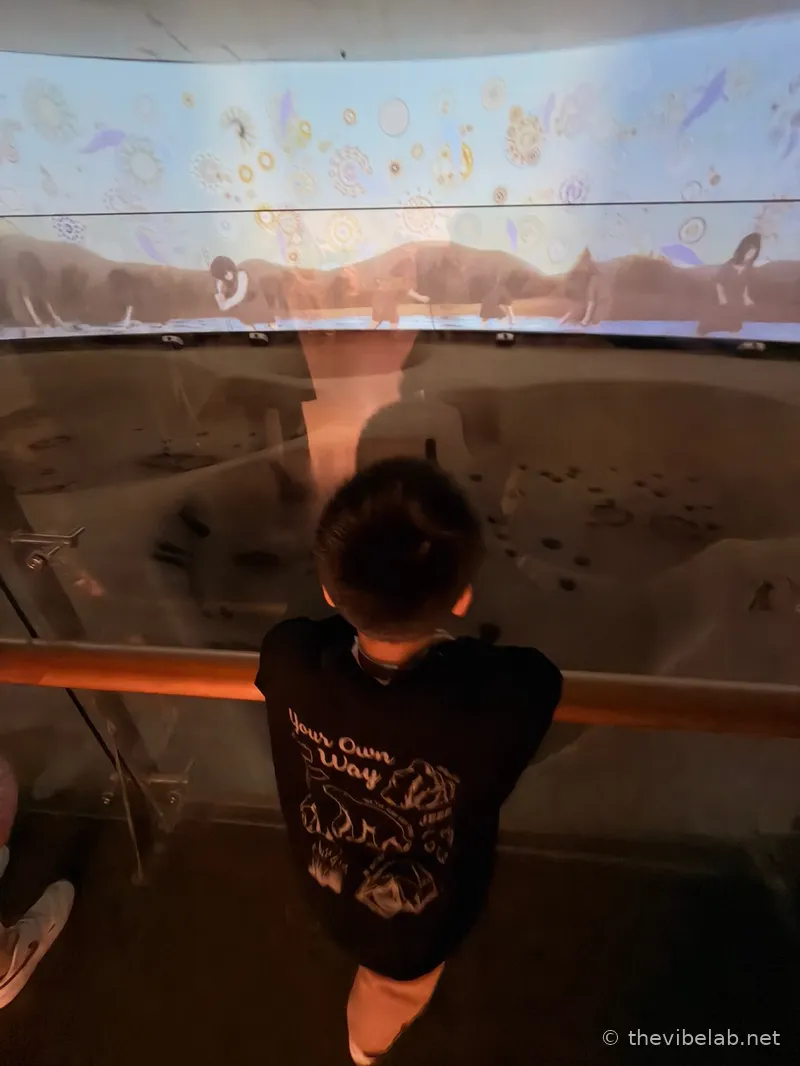
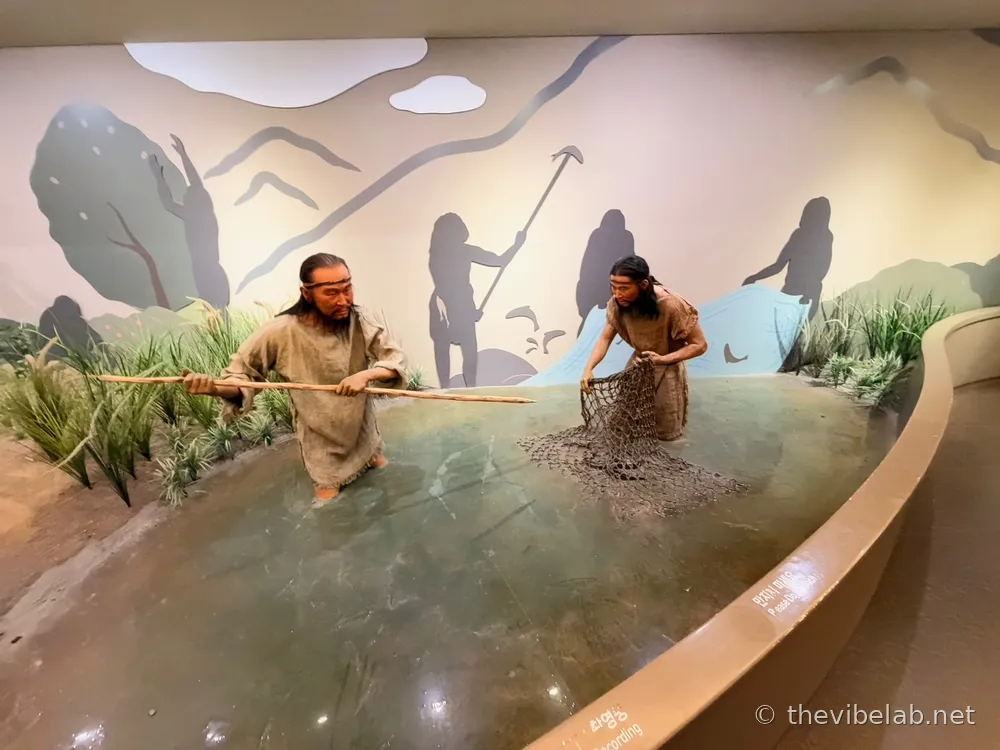
A life-size scene shows people fishing in the Han River with spears and nets, which makes it easy to see why they tied stone weights to their nets.
Hands-on fun for kids
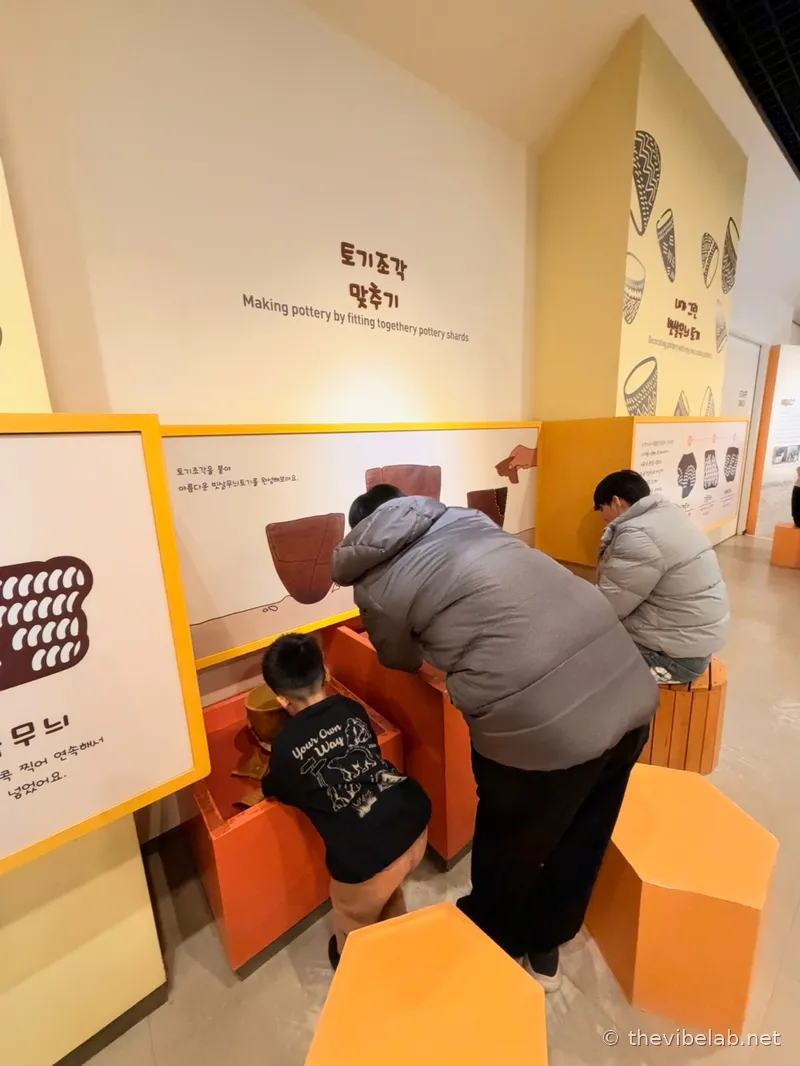
What surprised me most was how much there is for children to do, not just look at. Faced with things they’d never tried before, my kids were thrilled, and I was so glad we came.
- Build a pit house: put up the posts, the frame and the roof of a mini umjip.
- Pottery puzzles and patterns: piece together broken pottery shards, or decorate a digital comb-pattern pot with your own designs.
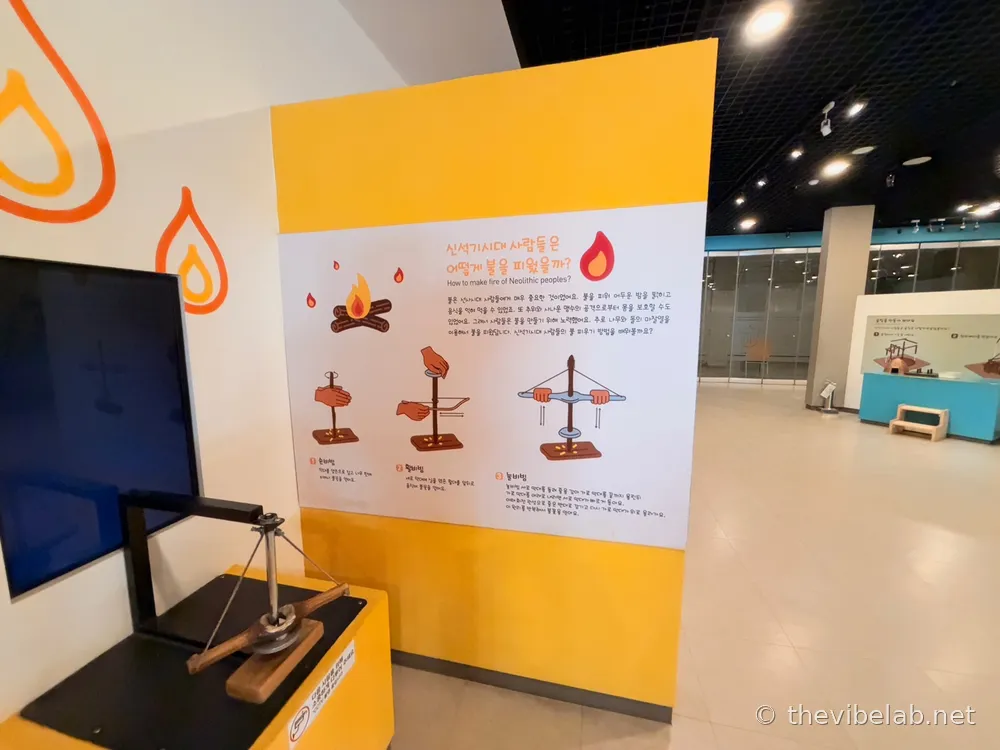
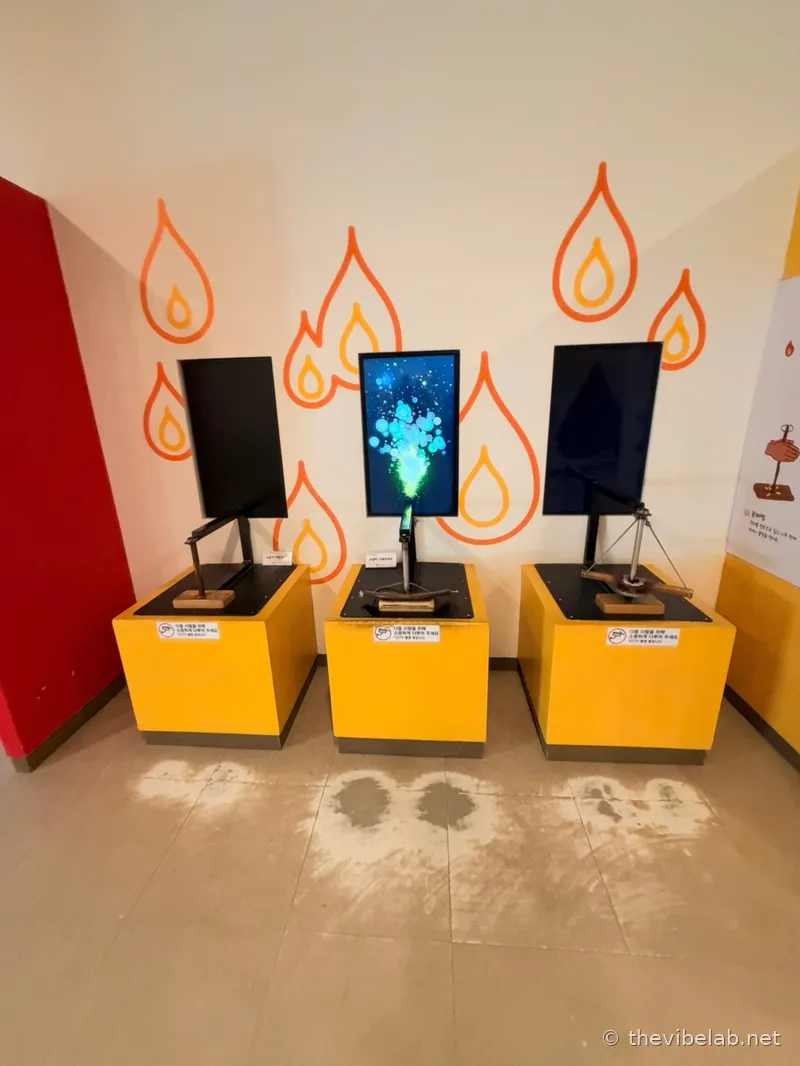
- Make fire like it’s 4000 BCE: try three ancient fire-starting tools (hand drill, bow drill and pump drill).
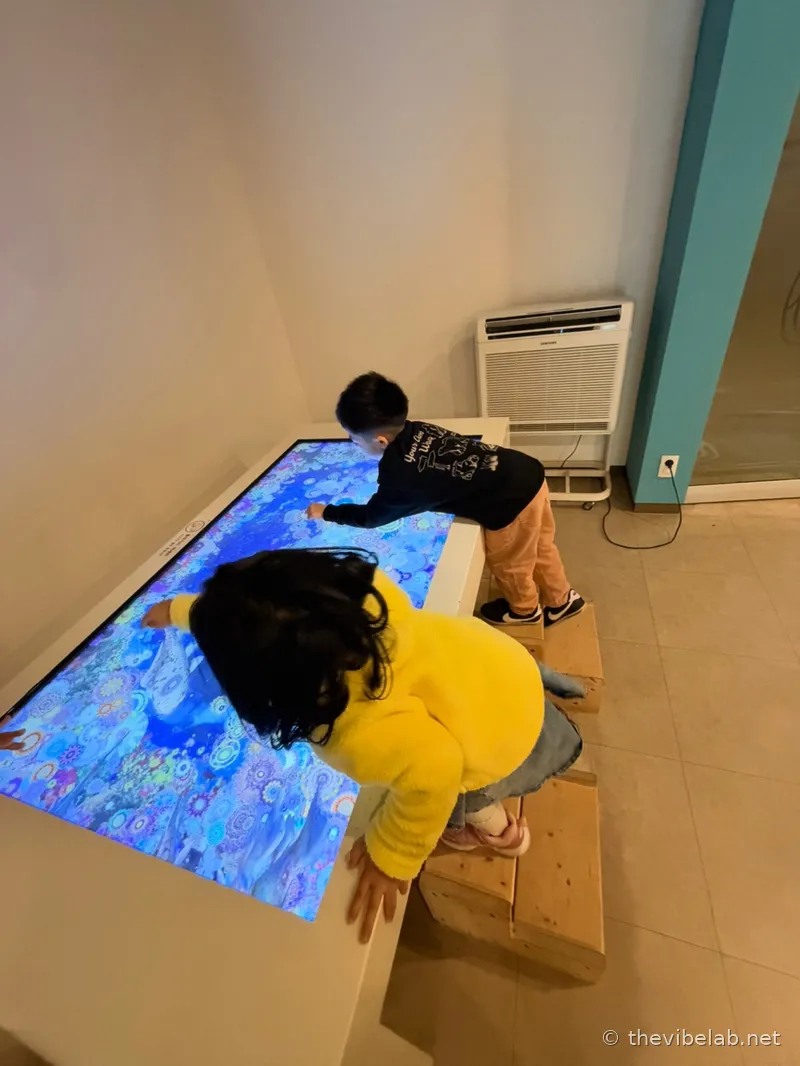
- Interactive table: kids touch a giant screen and watch patterns bloom under their hands.
500 won to get in, 2,000 won to park
The best part? It’s incredibly cheap.
| Ticket | Price |
|---|---|
| Adults (19–64) | 500 won |
| Children & teens (7–18) | 300 won |
| Under 7, 65 and over | Free |
| Parking (compact / small car) | 1,000 / 2,000 won per visit, any length |
A family of four pays at most 1,600 won for tickets. Even with parking, the whole day costs less than a cup of coffee.
Getting there
- Subway: take Line 8 to Amsa Yeoksa Gongwon (암사역사공원) Station, Exit 3. Careful: Line 8 has two similar stops, the older Amsa (암사) Station and Amsa Yeoksa Gongwon Station, which opened in 2024. Get off at the newer one. For the walk, search “서울 암사동 유적” (Seoul Amsa-dong Site) in Naver Map or Kakao Map, which work better than Google Maps for walking directions in Korea.
- By car: there’s a parking lot at the site (open 09:30–18:00).
Hours and closures
- Open 09:30–18:00 (last entry 17:30)
- Closed Mondays (or the next day if Monday is a public holiday) and January 1
- Early mornings are free for walkers (Apr–Sep 05:30–09:00, Oct–Mar 06:00–09:00)
Prices and hours are from the official Gangdong-gu visitor guide as of November 2026. Please double-check before you go.
Play it again at home
Remember the pit house, comb-pattern pottery, net sinkers and grinding stones from the museum? Our game, Korea Hidden Pictures, has an Amsa-dong Prehistoric Site scene. Tap the picture below to play it right here, and learn each object’s Korean name as you find it.
It isn’t glamorous, but walking slowly under the autumn leaves and imagining a day in the life of people 6,000 years ago was one of our favorite afternoons this fall. If you’re looking for a quiet side of Seoul, Amsa-dong is worth the trip.
Photos taken by the Vibe Lab team on November 7, 2026. Please do not use them without permission.